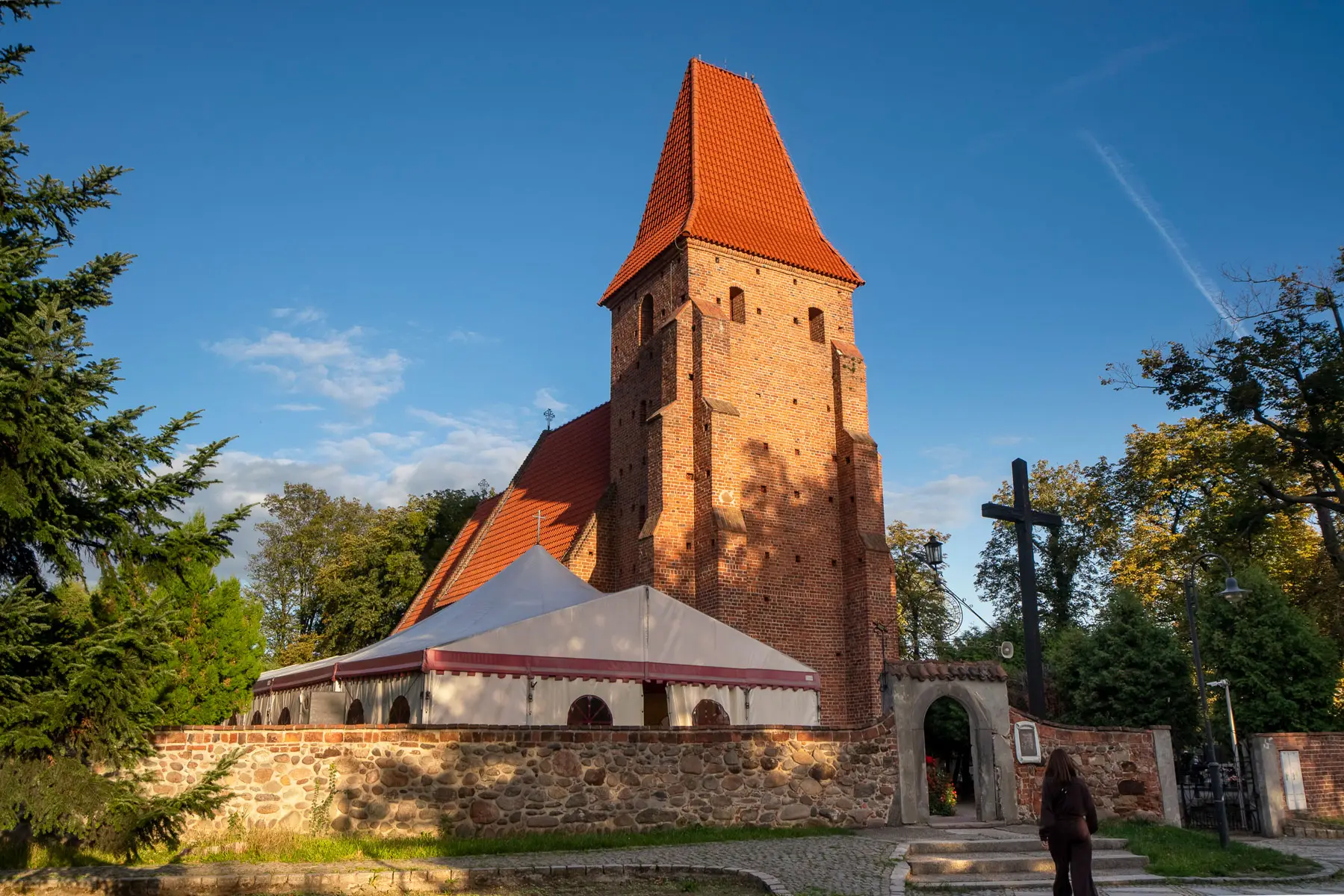
The Church of St Lawrence is one of the oldest churches still standing in Wrocław today. The history of the local parish dates back to the second half of the 13th century, when Żerniki was a small settlement belonging to a convent of the Order of Saint Clare. It was at that time that the first church was built, from which the medieval name of the village derives – Nova Ecclesia, meaning ‘New Church’. Around 1400, the earlier church was replaced by the present Gothic building, which has served as a parish church without interruption for over six hundred years.
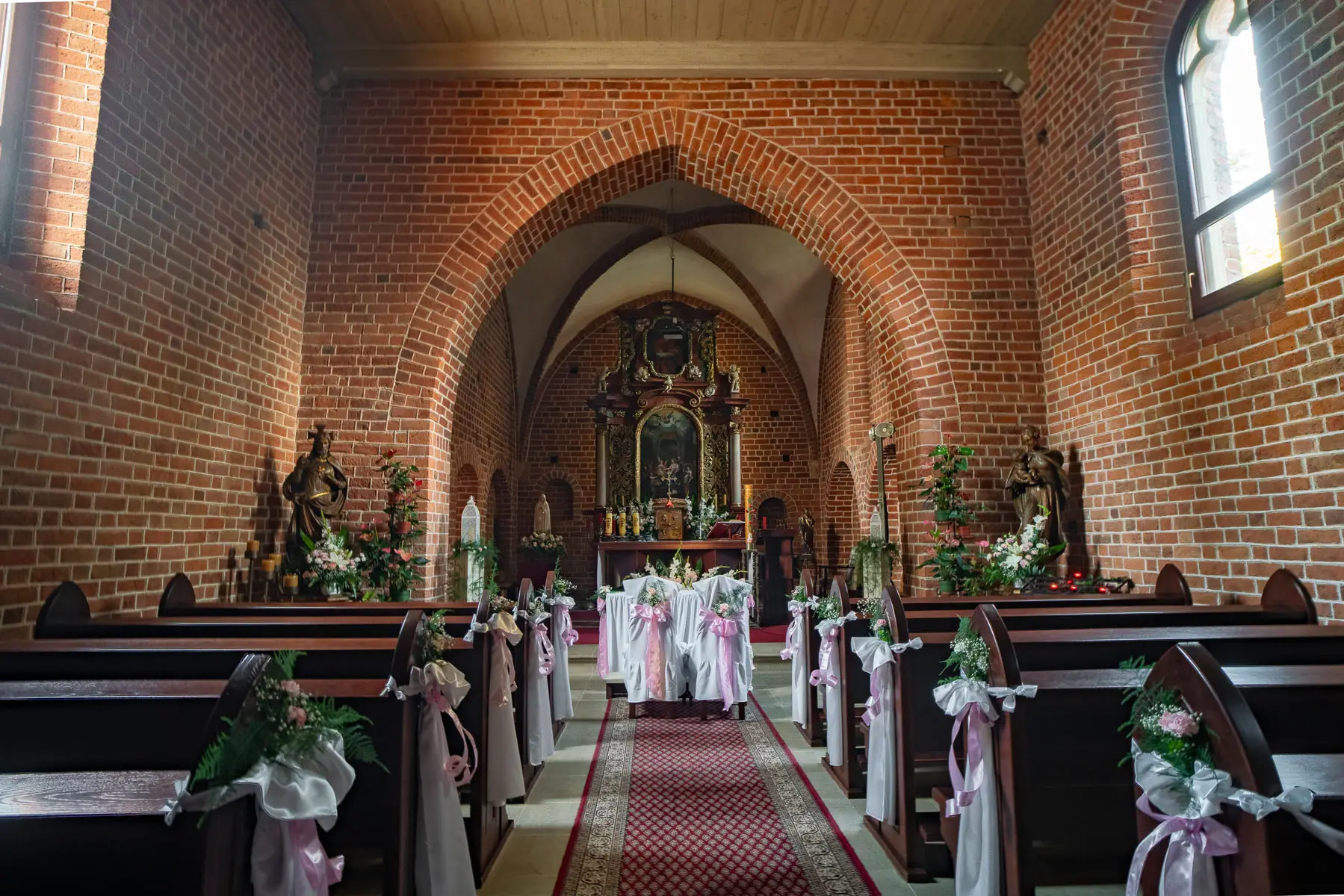
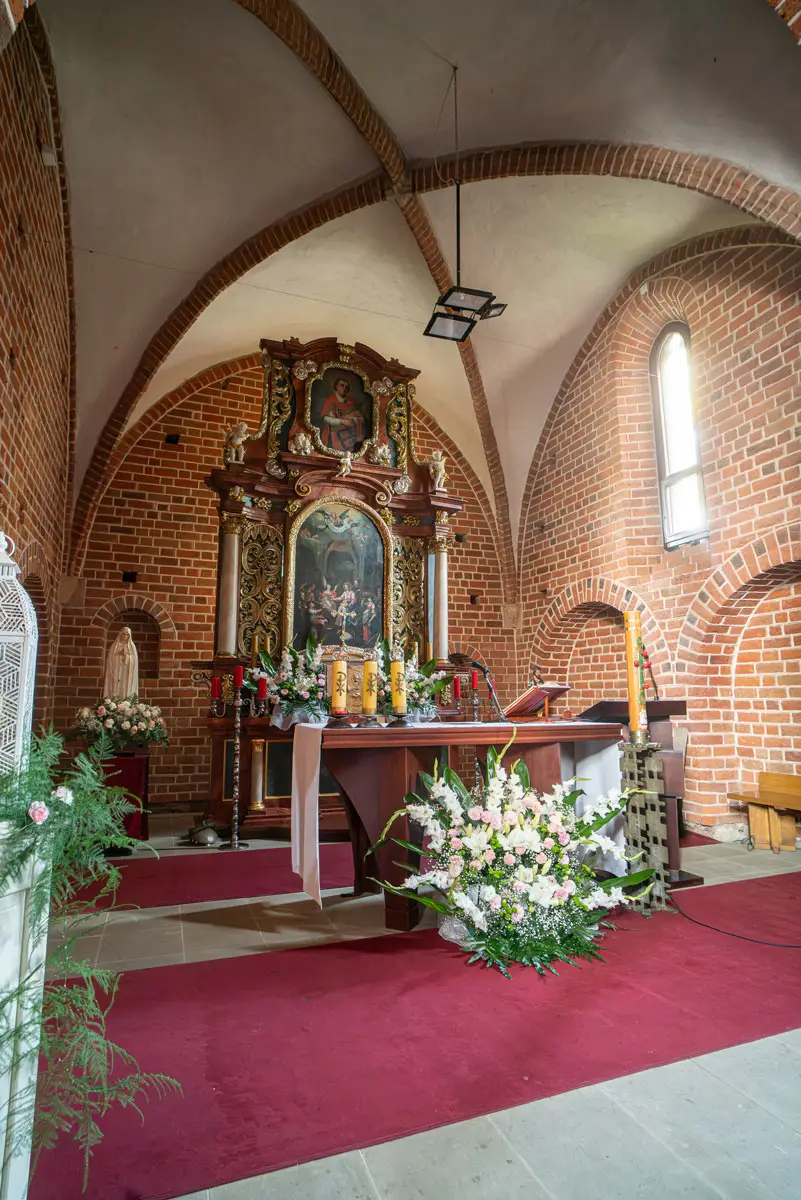
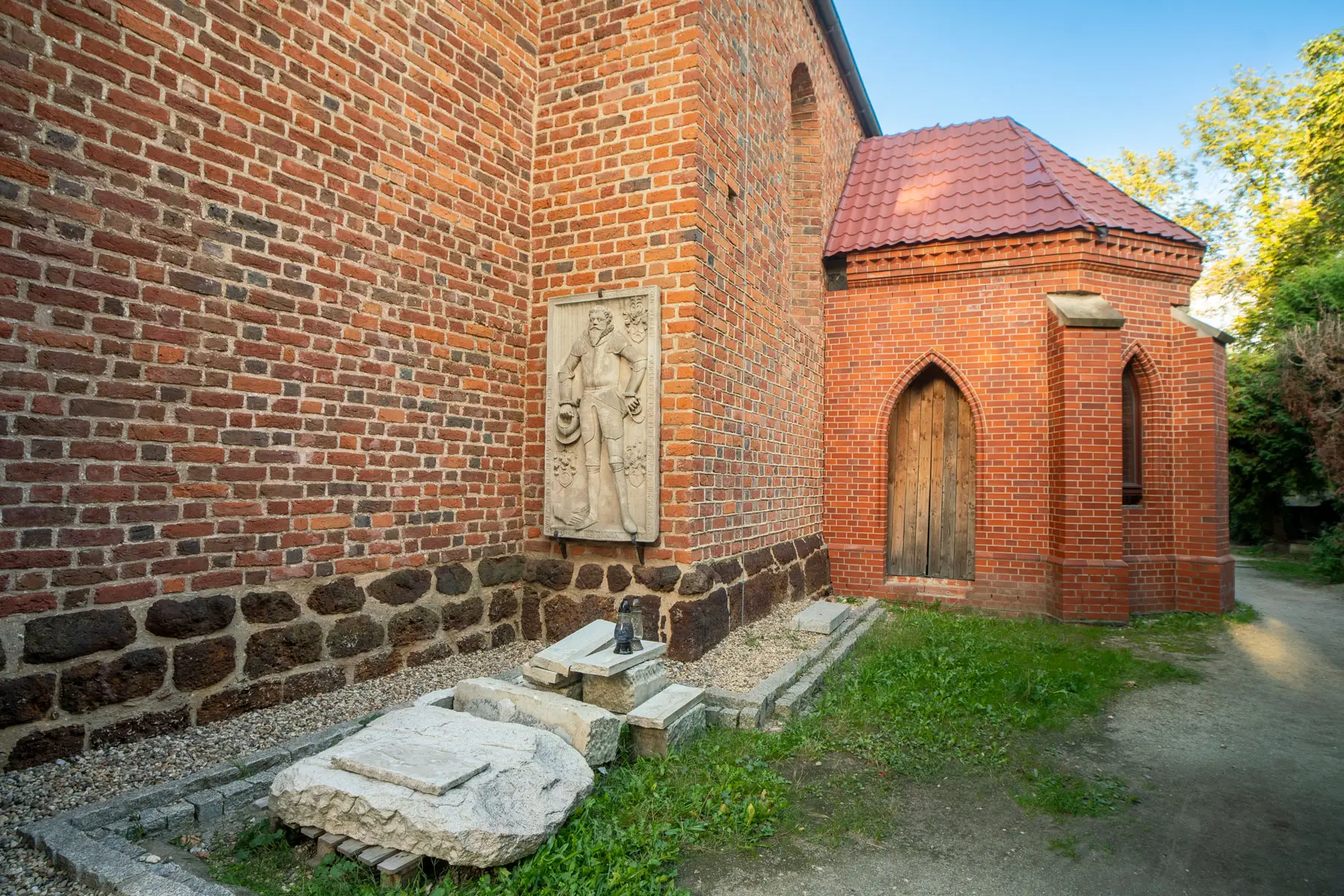
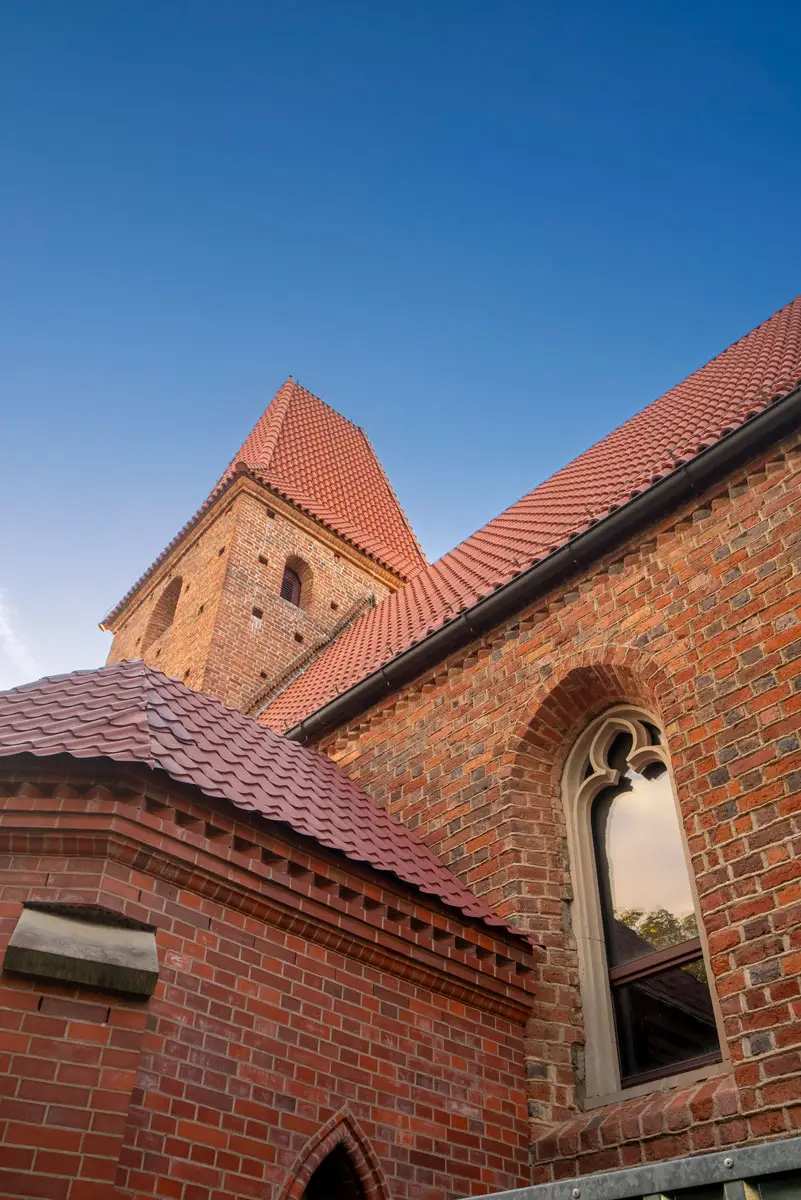
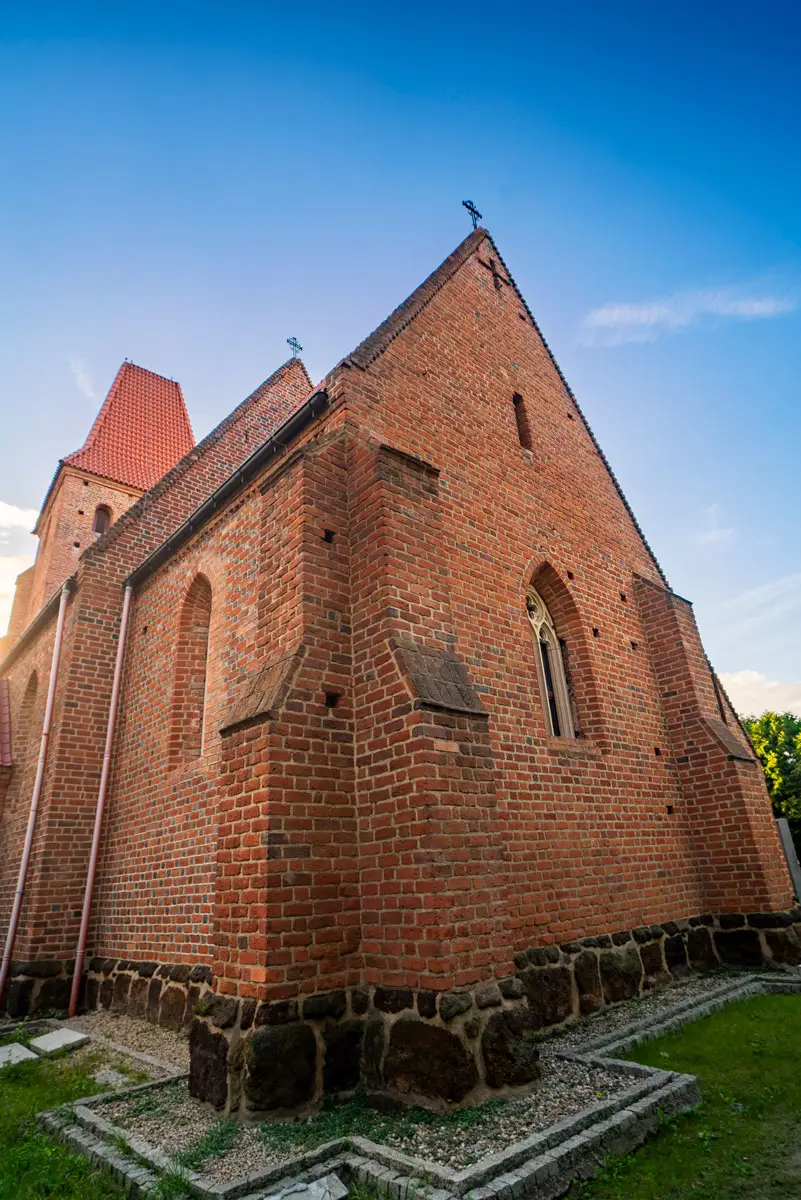
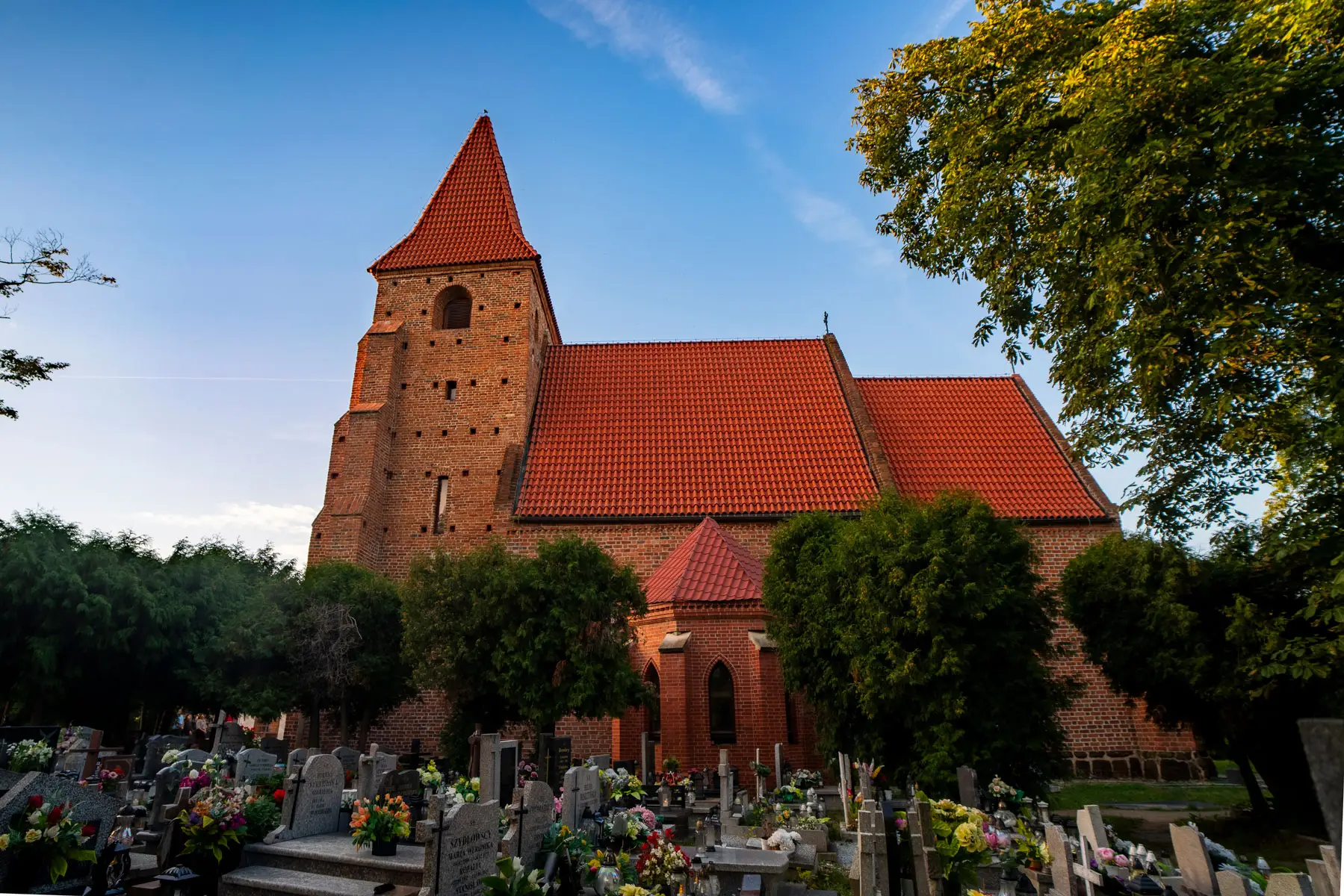
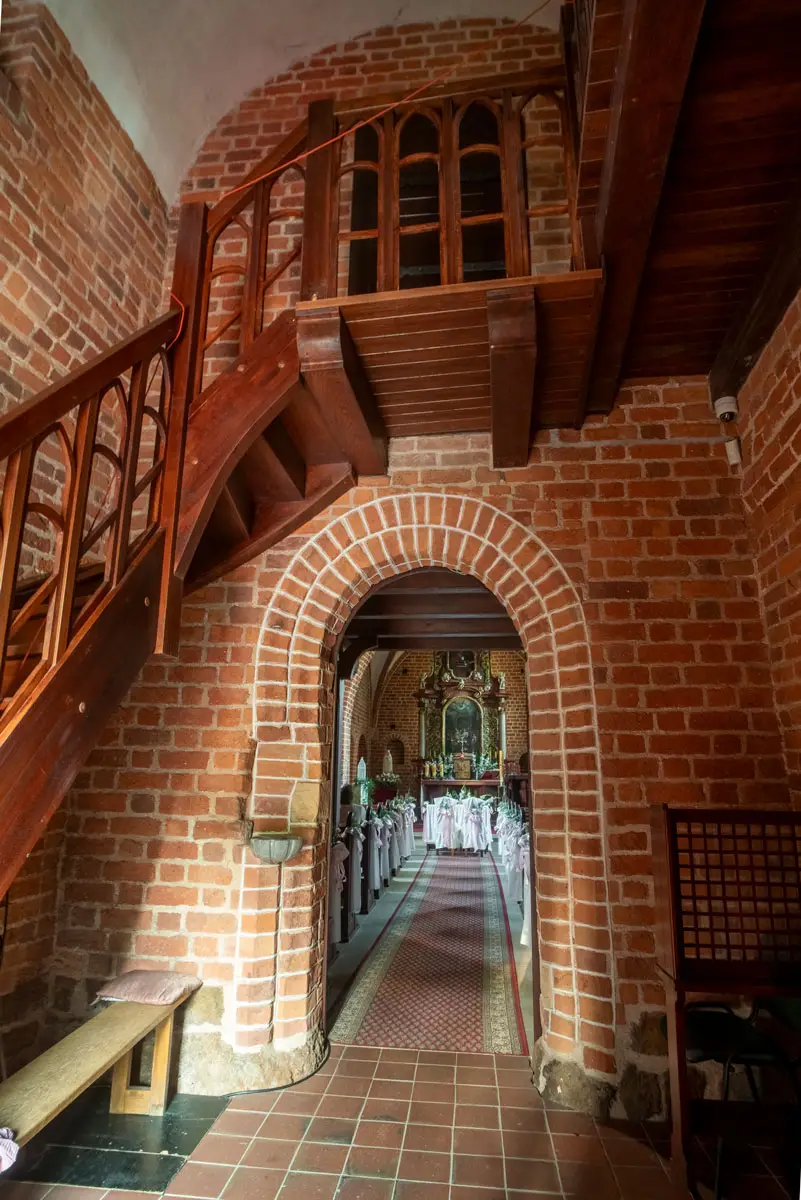
The church was built as a single-nave church with a separate chancel and a massive tower on the west side. The distinctive buttresses, ogival windows and preserved elements of the medieval structure lend the building a distinctly Gothic character. Despite subsequent renovations and modernisations, it has retained its historical proportions and spatial layout, making it a valuable example of rural religious architecture in medieval Silesia.
The church faced its greatest ordeal during the siege of Festung Breslau in 1945. As a result of the hostilities, the church was almost completely destroyed, and its reconstruction seemed impossible. However, thanks to the determination of the first post-war parish priest, Fr Justyn Kostek and the tremendous commitment of the local residents, the historic building was saved and restored to its original appearance. The post-war reconstruction was carried out with great respect for the original Gothic architecture, thanks to which the church has retained its authentic character.
Today, the Church of St Lawrence is the most valuable historical building in Żerniki and one of the oldest churches within the administrative boundaries of Wrocław. It is not only a place of worship, but also a testament to over seven hundred years of the parish’s history and an example of the successful preservation and restoration of cultural heritage following the destruction of the Second World War.