The church of St Adalbert is one of the oldest churches in Wrocław and has been associated with the Dominican Order almost from the very beginning of its existence. It was built on the site of the former Romanesque parish church of St Adalbert, which was handed over to the Dominican Order at the beginning of the 13th century with the consent of Duke Henry I the Bearded. In the decades that followed, work began on the construction of a new, much larger monastery church, reflecting the growing importance of the Dominican Order as one of the leading preaching orders in medieval Europe. The monastery in Wrocław quickly became a major religious, scientific and intellectual centre in Silesia.
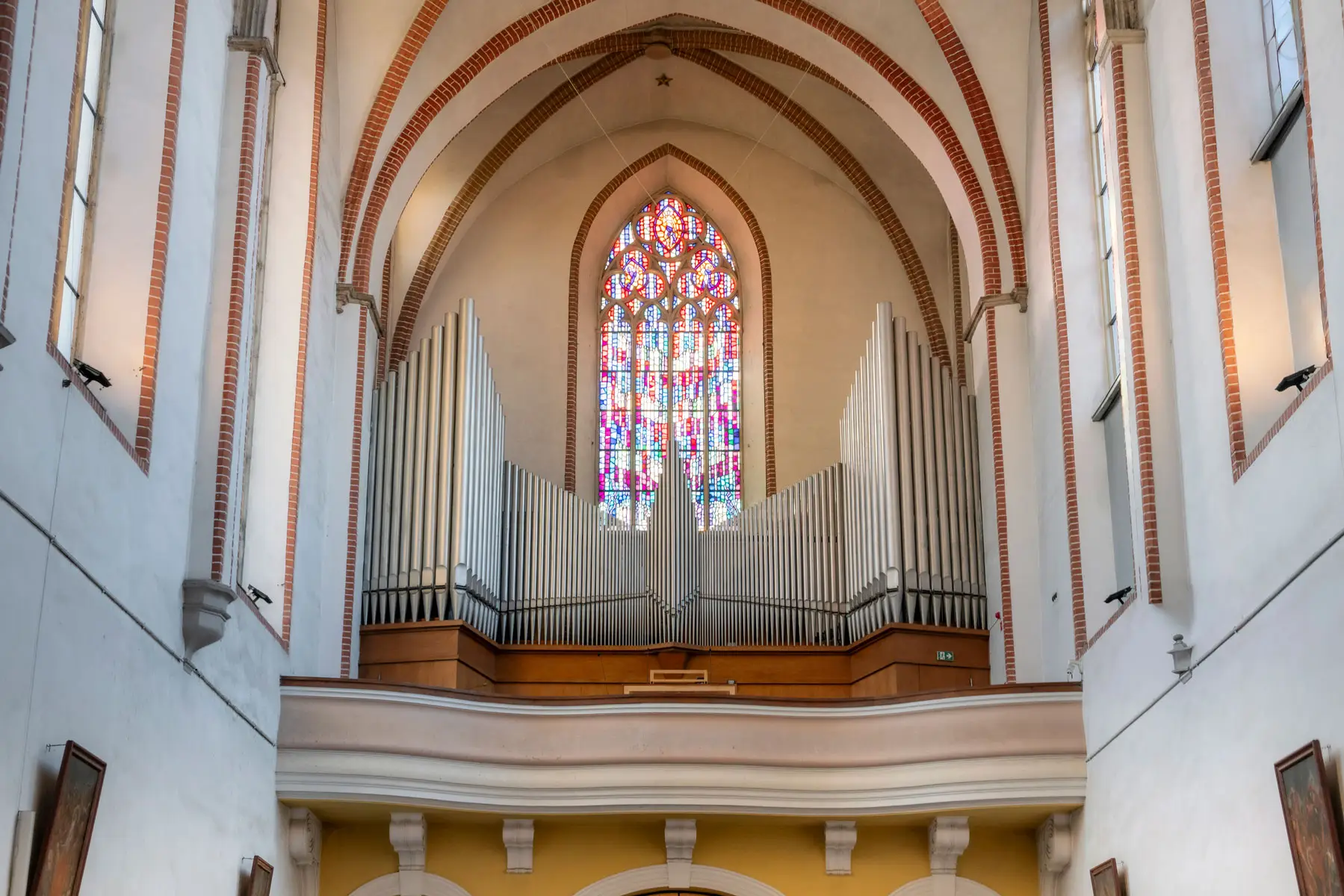
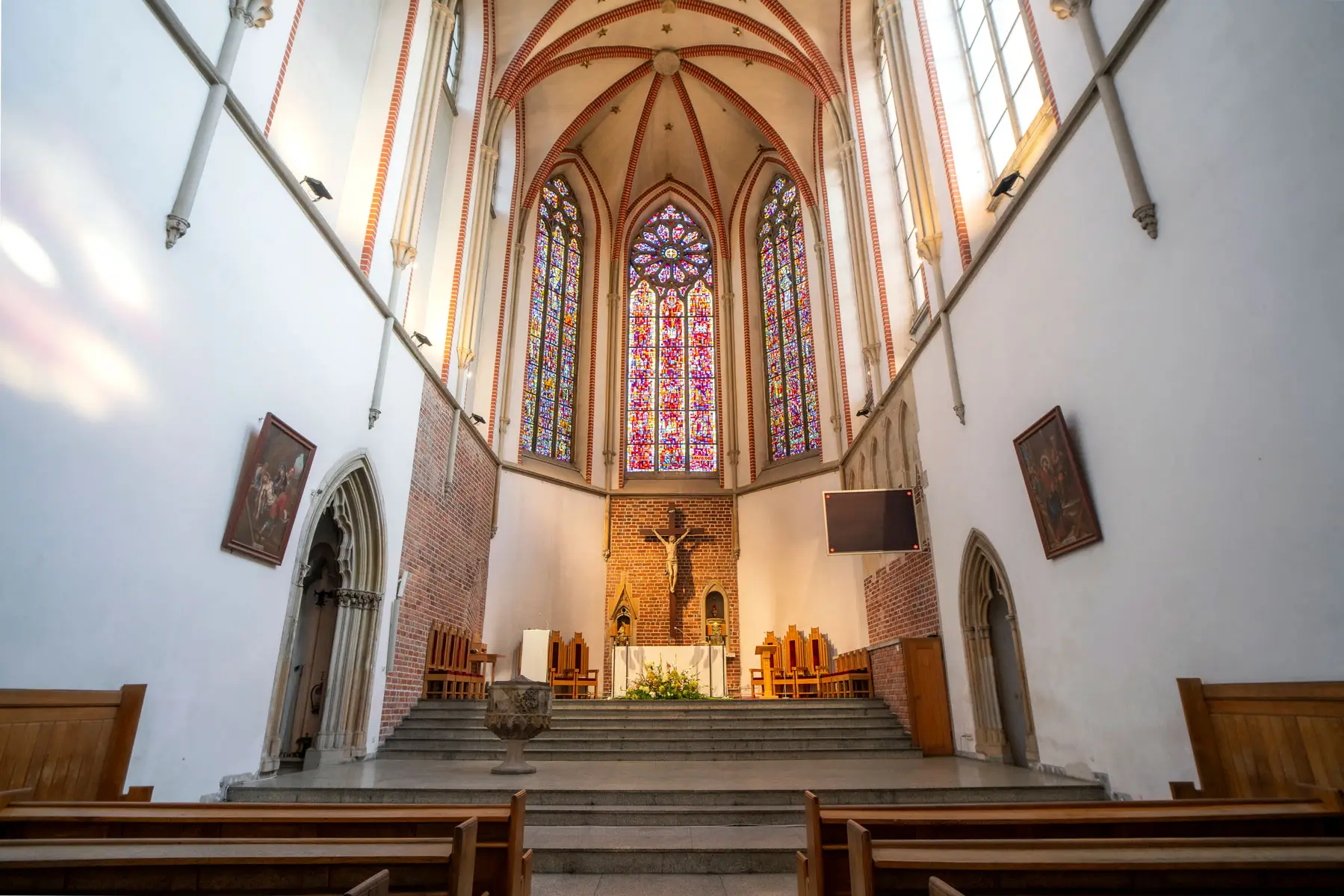
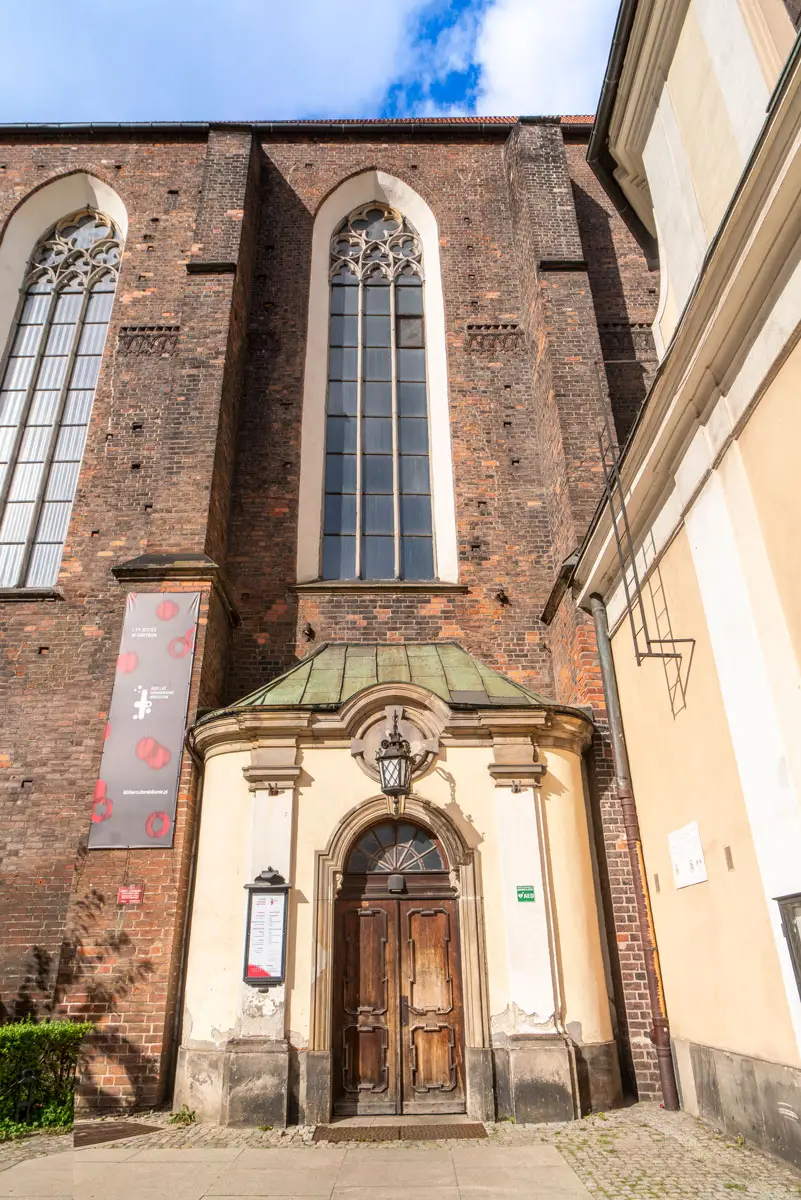
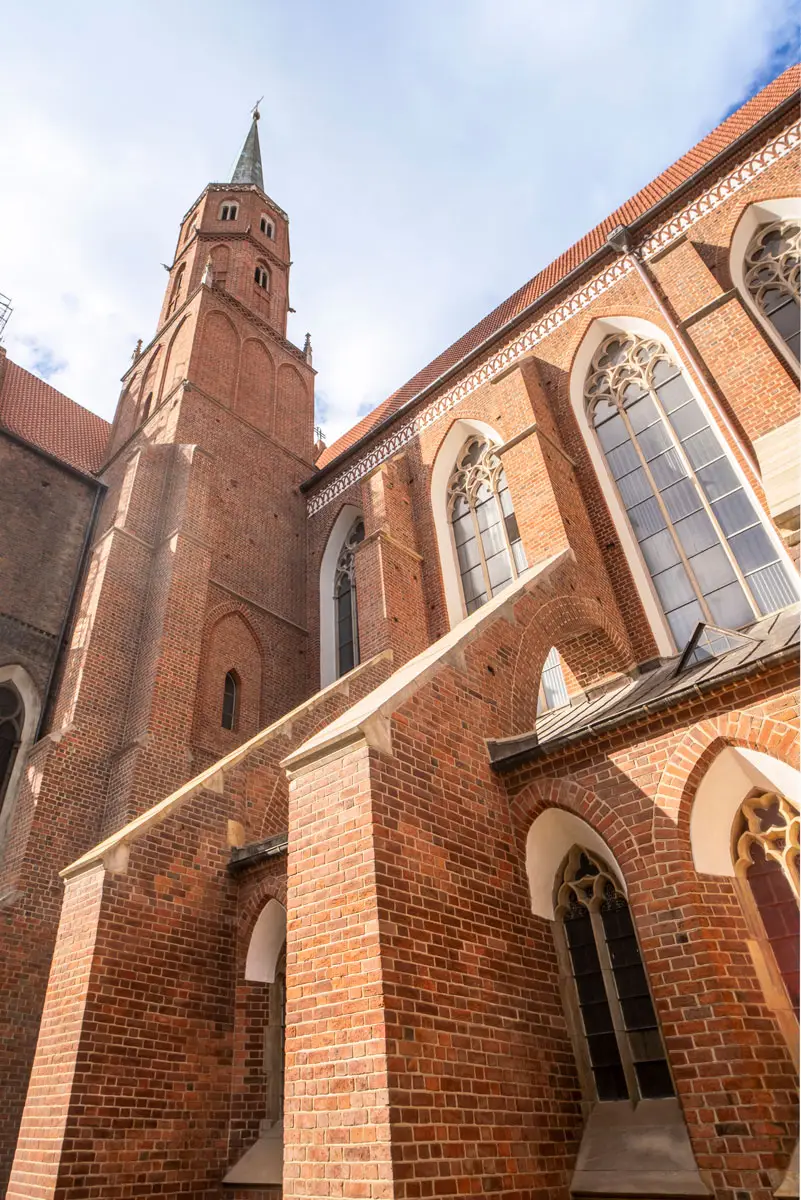
The present Gothic church was built in stages from the 13th to the 14th century, retaining the characteristic features of the architecture of the mendicant orders. The elongated chancel, tall ogival windows, sturdy buttresses and rib vaults form a harmonious composition designed to serve liturgical and preaching purposes. In contrast to the grand buildings founded by dukes, the Dominican Order favoured simplicity and functionality, which is clearly evident in the church’s architecture. Despite numerous alterations and war damage, the church has retained its medieval layout, remaining one of the most important examples of Gothic monastic architecture in Wrocław.
The history of the church is inextricably linked with the figure of Blessed Ceslaus – a Dominican friar and one of the patron saints of Wrocław, whose veneration has flourished here uninterrupted since the 13th century. According to tradition, it was his prayers that saved the city during the Mongol invasion of 1241. For centuries, the church was a destination for numerous pilgrimages and an important centre of religious life in Silesia. Today, next to the cathedral and the Basilica of St Elizabeth, it remains one of the most valuable examples of medieval religious architecture in Wrocław.