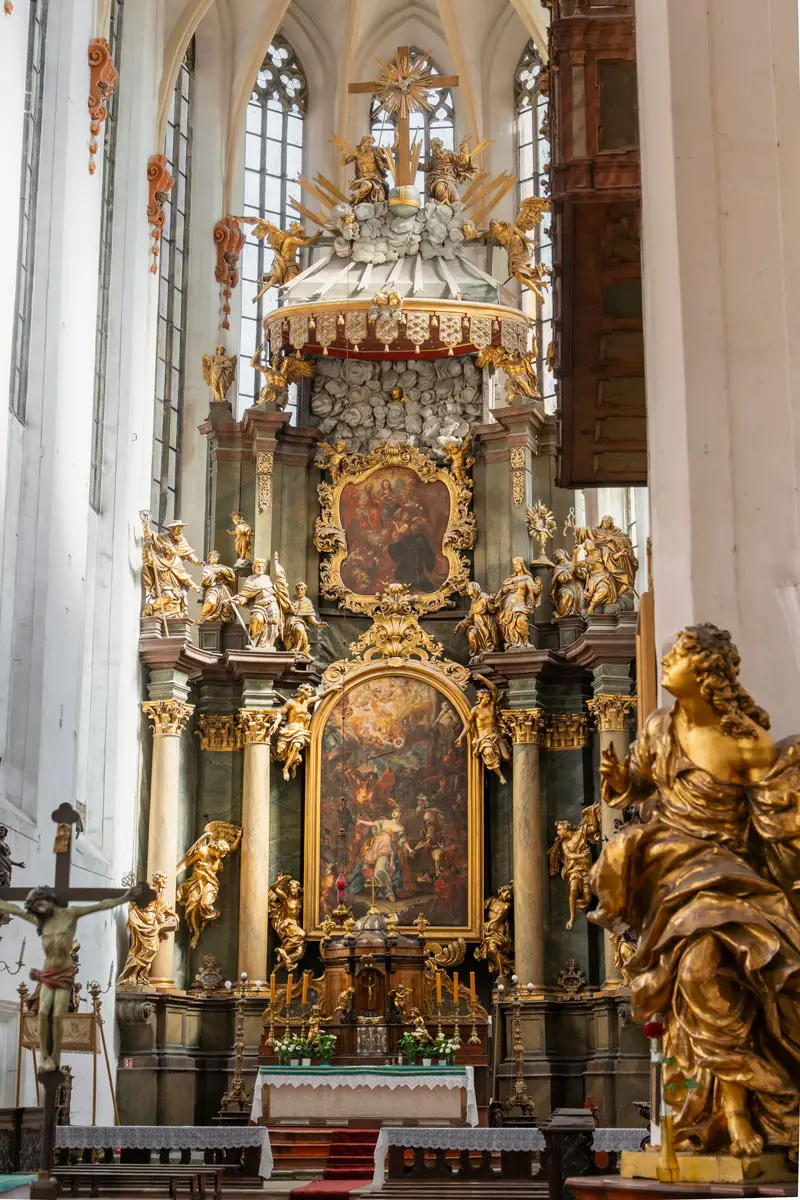
The Church of St Stanislaus, St Dorothy and St Wenceslaus is one of the most exceptional buildings of medieval Wrocław. It was established on the initiative of Charles IV of Luxembourg, King of Bohemia and later Emperor, as a symbol of the agreement between the Kingdom of Bohemia and the Kingdom of Poland following the conclusion of the Peace of Namysłów in 1348. The choice of the church’s name was no coincidence – the three patron saints were intended to highlight the shared religious heritage of Bohemia, Poland and Silesia, as well as the multicultural character of medieval Wrocław.
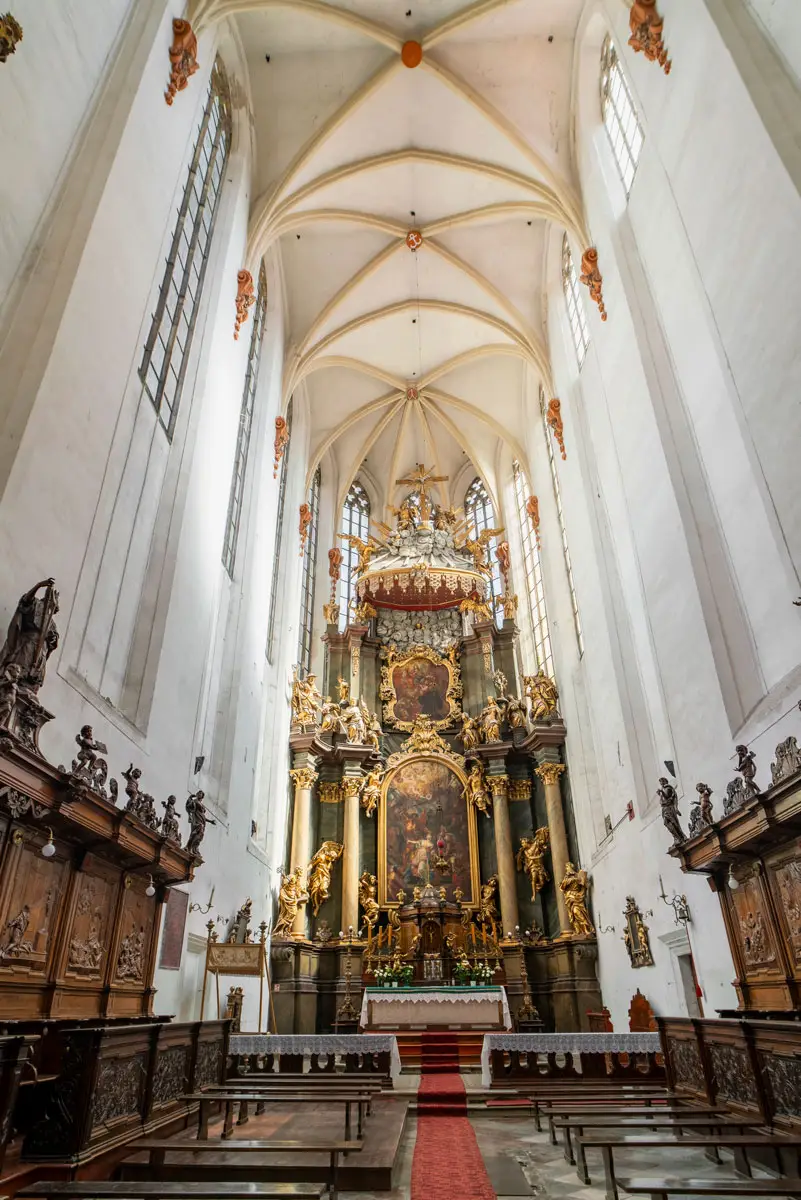
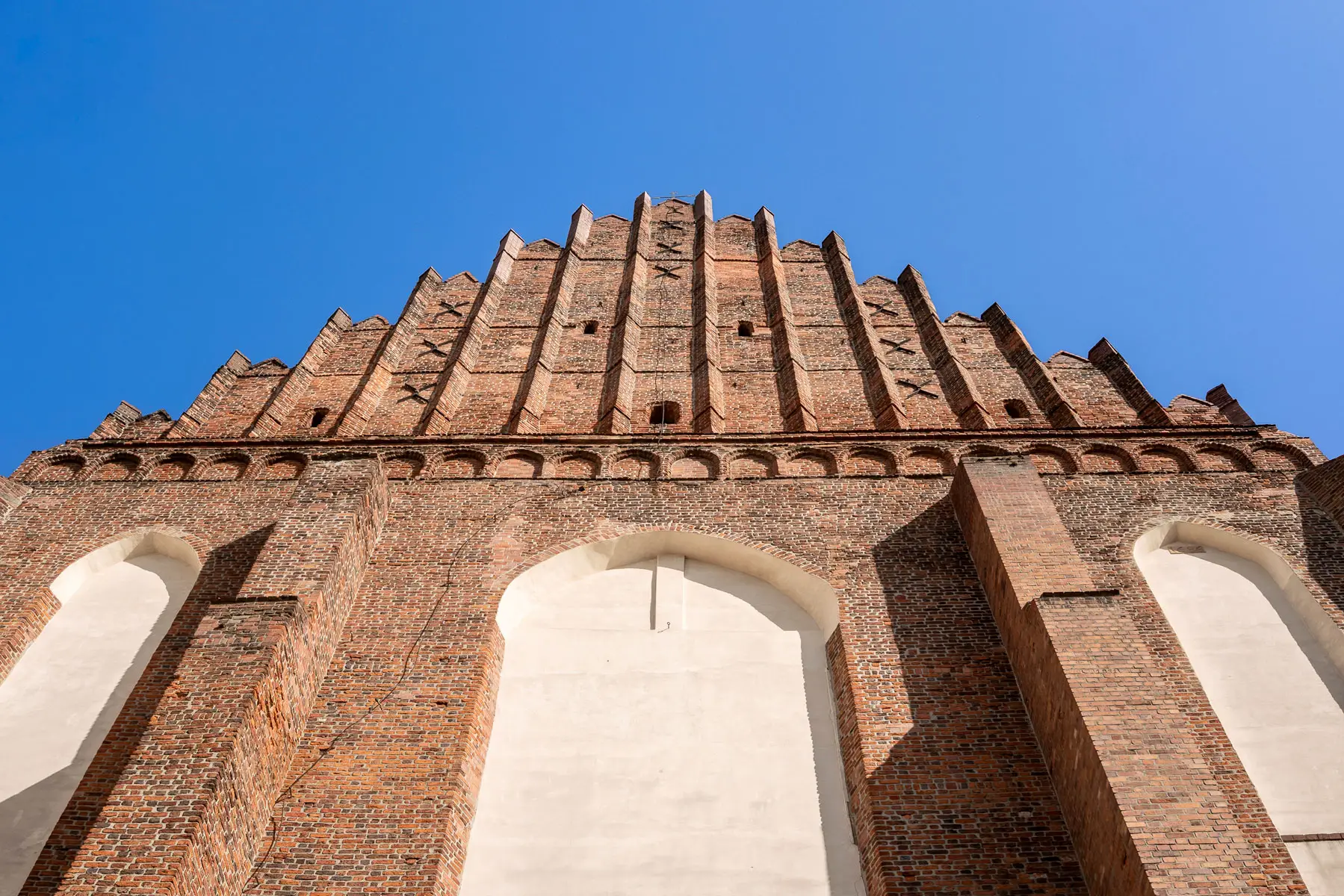
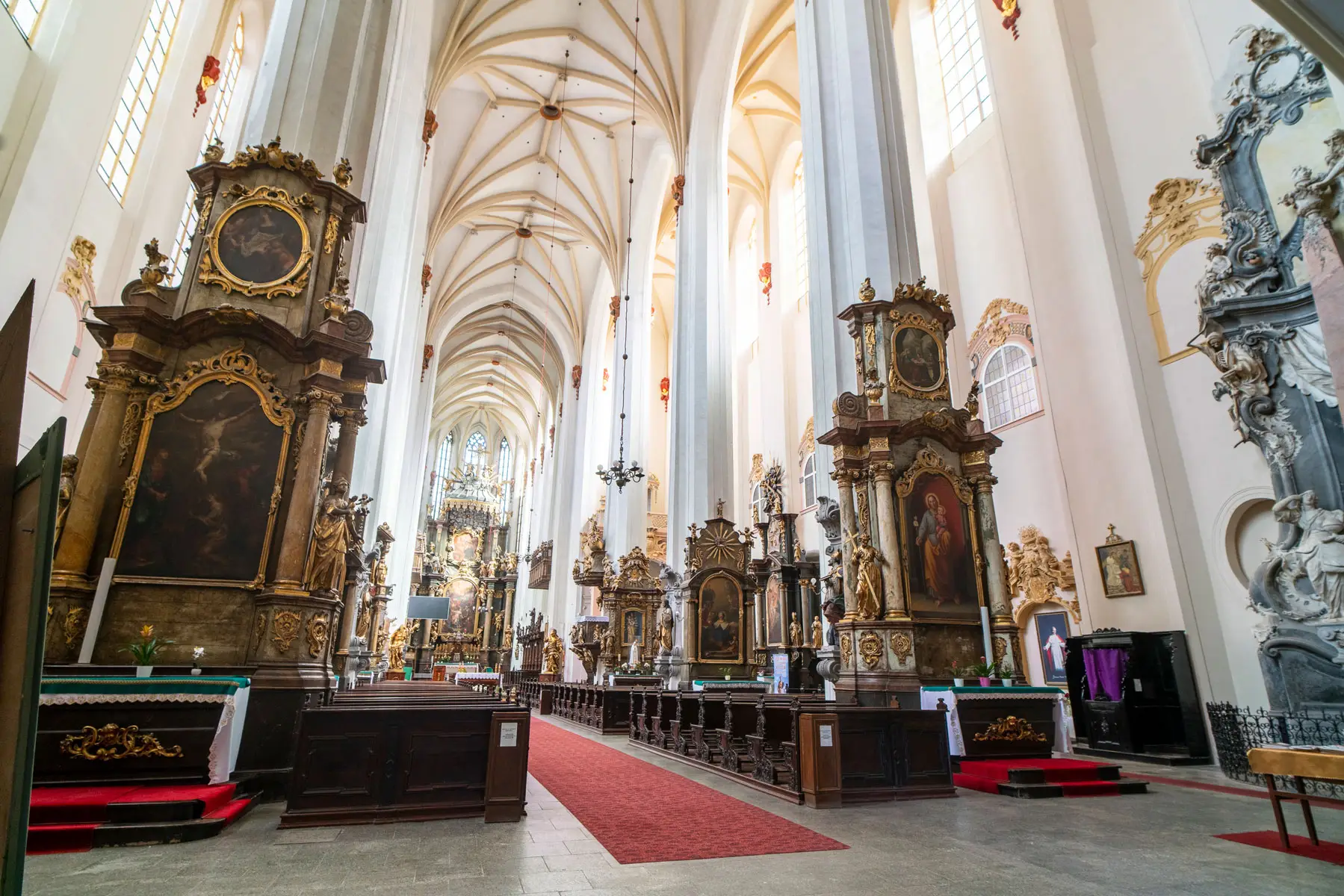
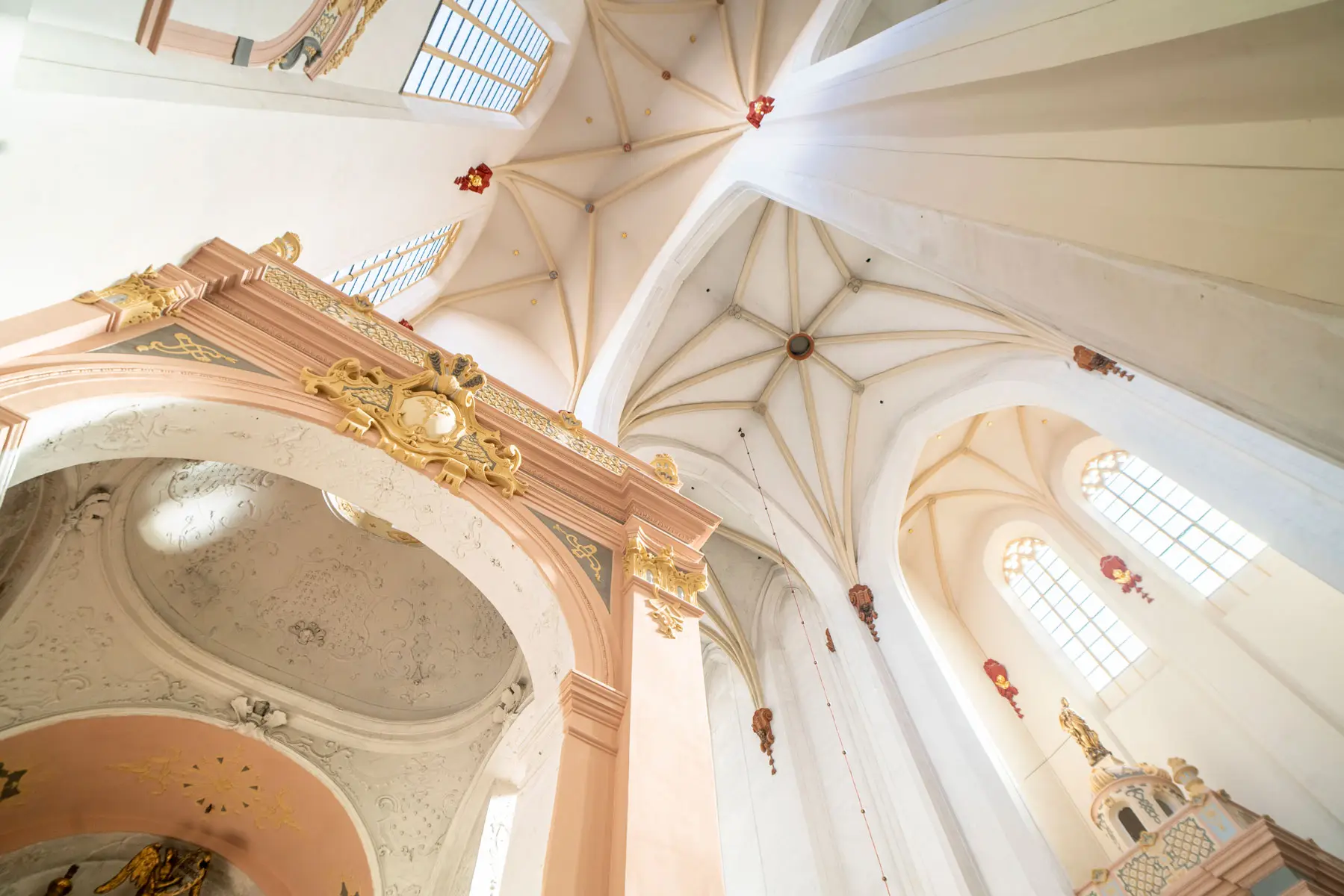
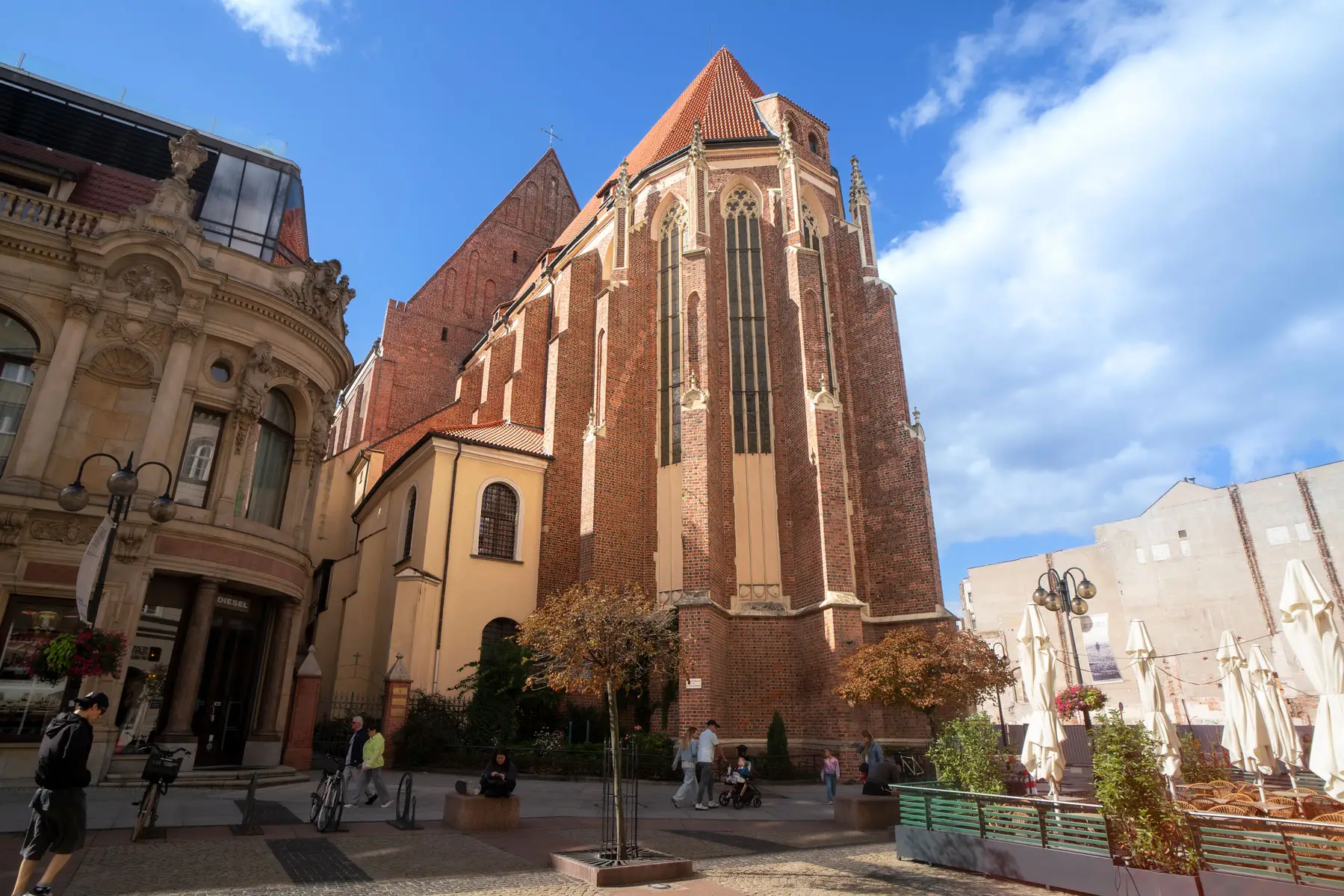
This monumental brick building is a fine example of mature Silesian Gothic architecture and ranks among the most outstanding examples of 14th-century religious architecture. The tall, slender chancel, the massive buttresses and the ogival windows give the church an exceptionally soaring silhouette. Unlike many other churches in Wrocław, its structure has retained an exceptionally uniform character, thanks to which one can still admire the almost unspoilt composition of its Gothic architecture. Particularly notable are the harmonious proportions of the interior and the high vaults, which emphasise the stately character of this building. Despite subsequent alterations to its furnishings, the architectural structure of the church has retained its distinct layout dating from the late 14th century.
For centuries, the church remained one of the most important churches in the southern part of medieval Wrocław. Its history reflects that of a city where Polish, Czech and German cultural traditions converged. Thanks to relatively minor architectural alterations, the church has retained its medieval character and remains one of the best-preserved and stylistically purest examples of Gothic urban architecture in Lower Silesia. It is also an enduring symbol of Wrocław’s multicultural past and its role as a major city in Central Europe.