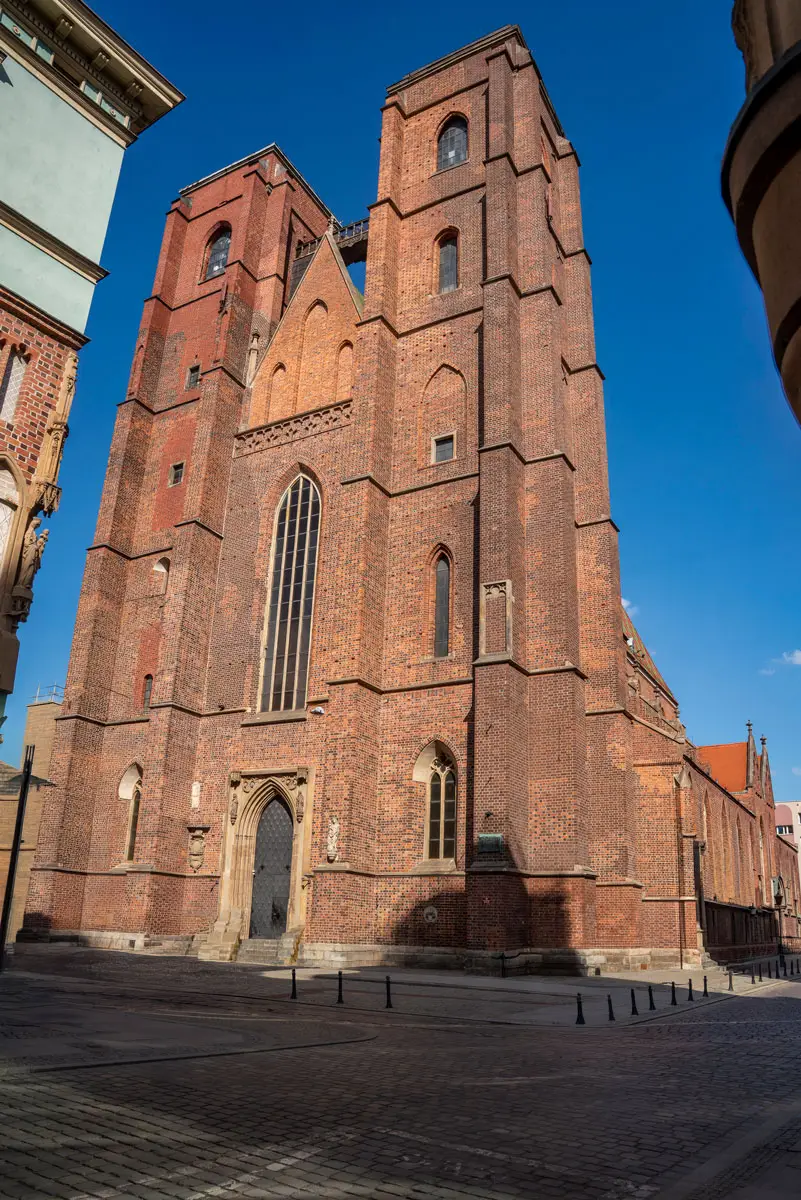
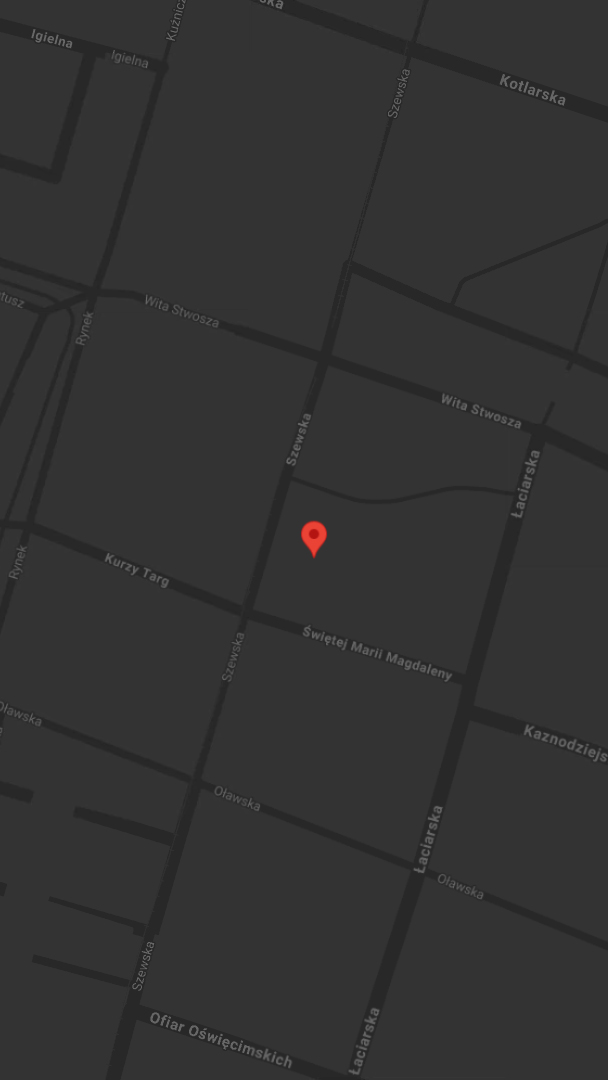
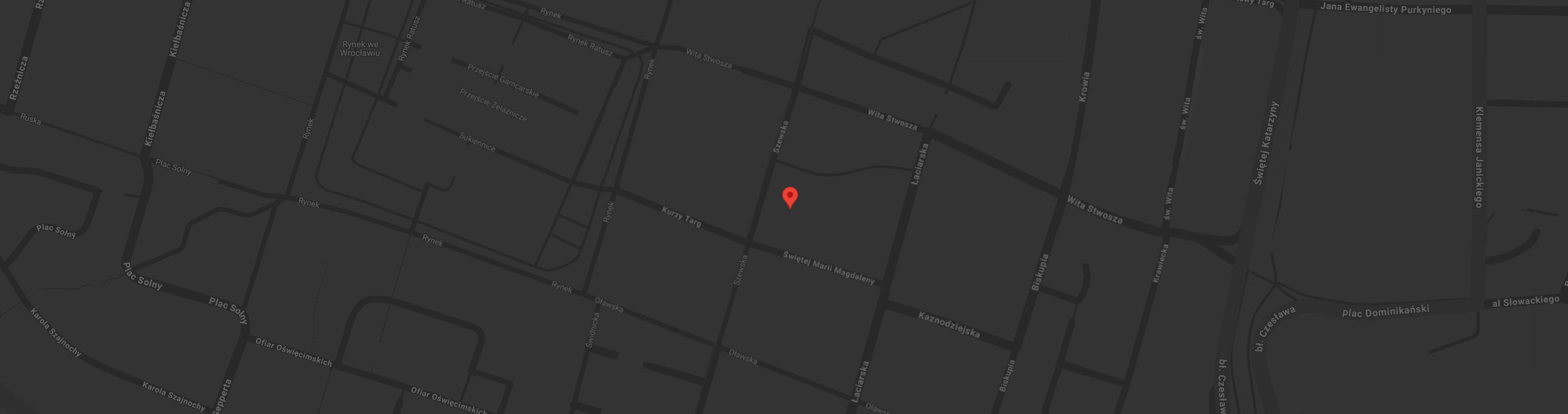
Situated in the very heart of medieval Wrocław, the Cathedral of St Mary Magdalene has been one of the most important places of worship in the old chartered city for centuries. Its history dates back to the 13th century, but the present Gothic building was erected on the site of two earlier parish churches, which no longer met the needs of the rapidly developing commercial centre. Construction, which began in the mid-14th century, resulted in the creation of one of Silesia’s most impressive burgher churches, reflecting Wrocław’s growing importance as a major city in Central Europe.
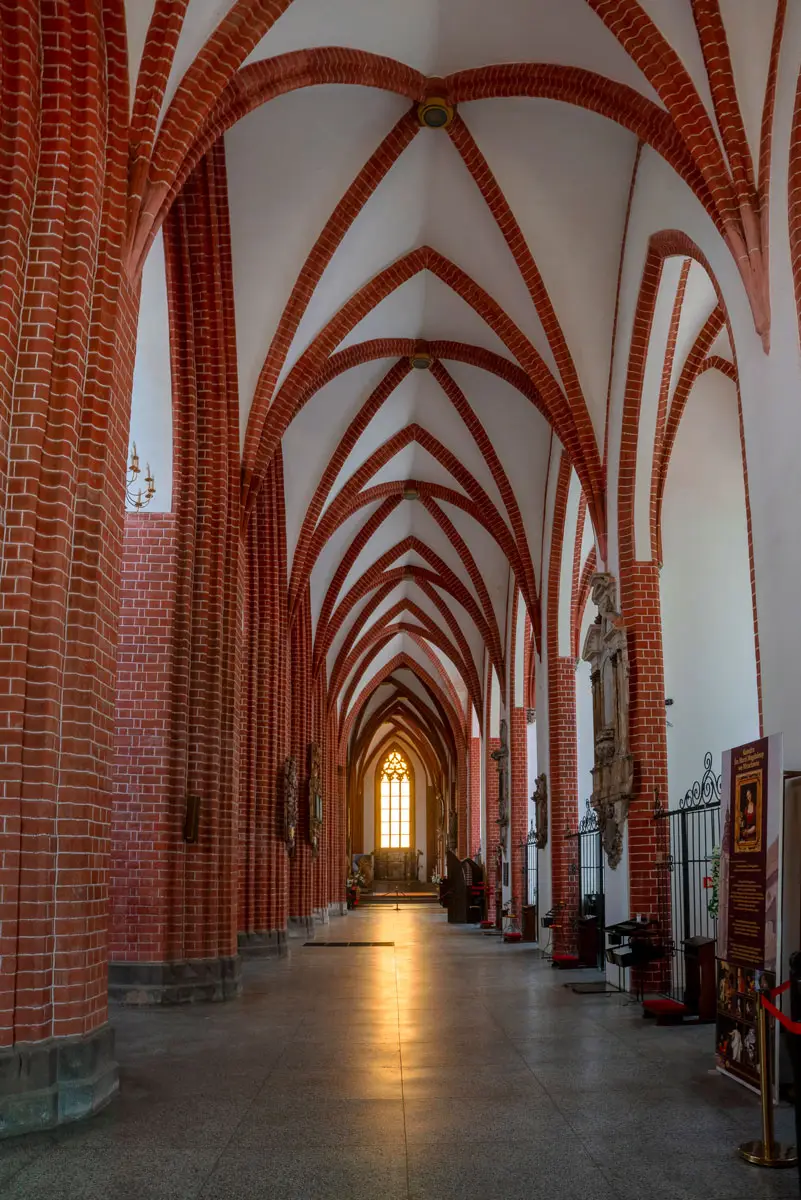
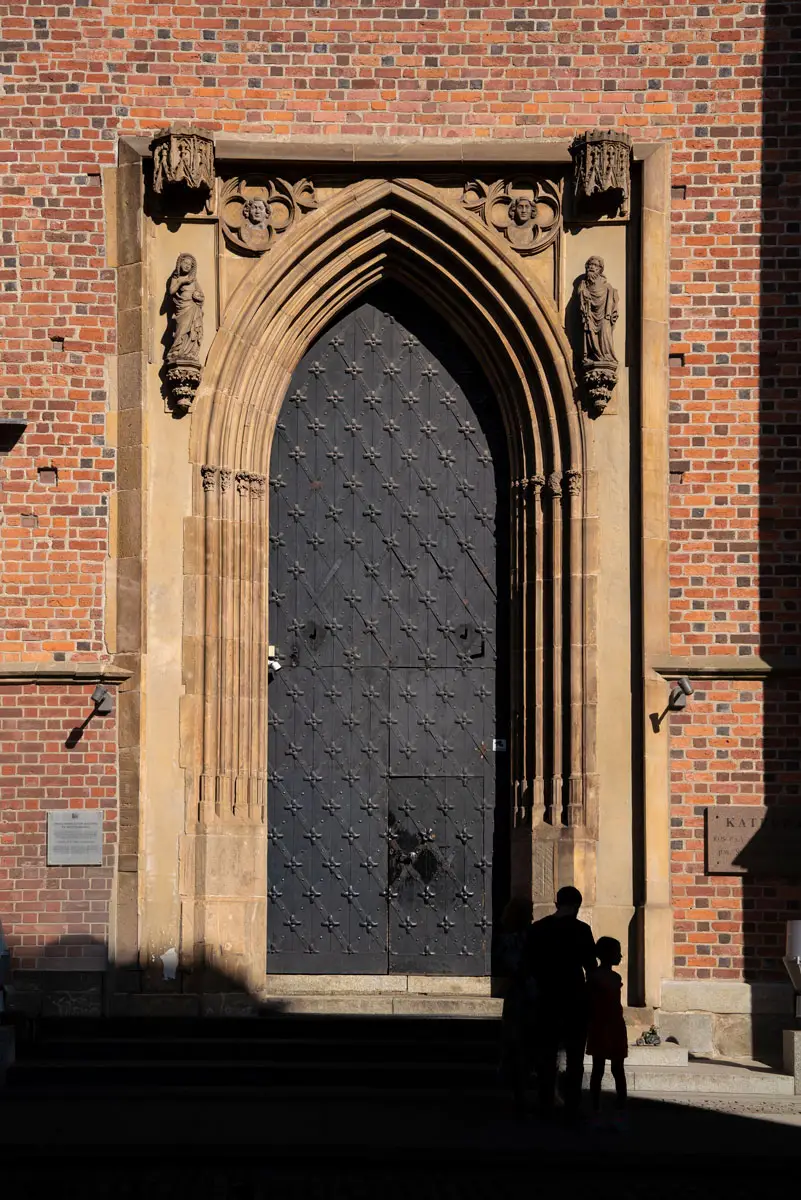
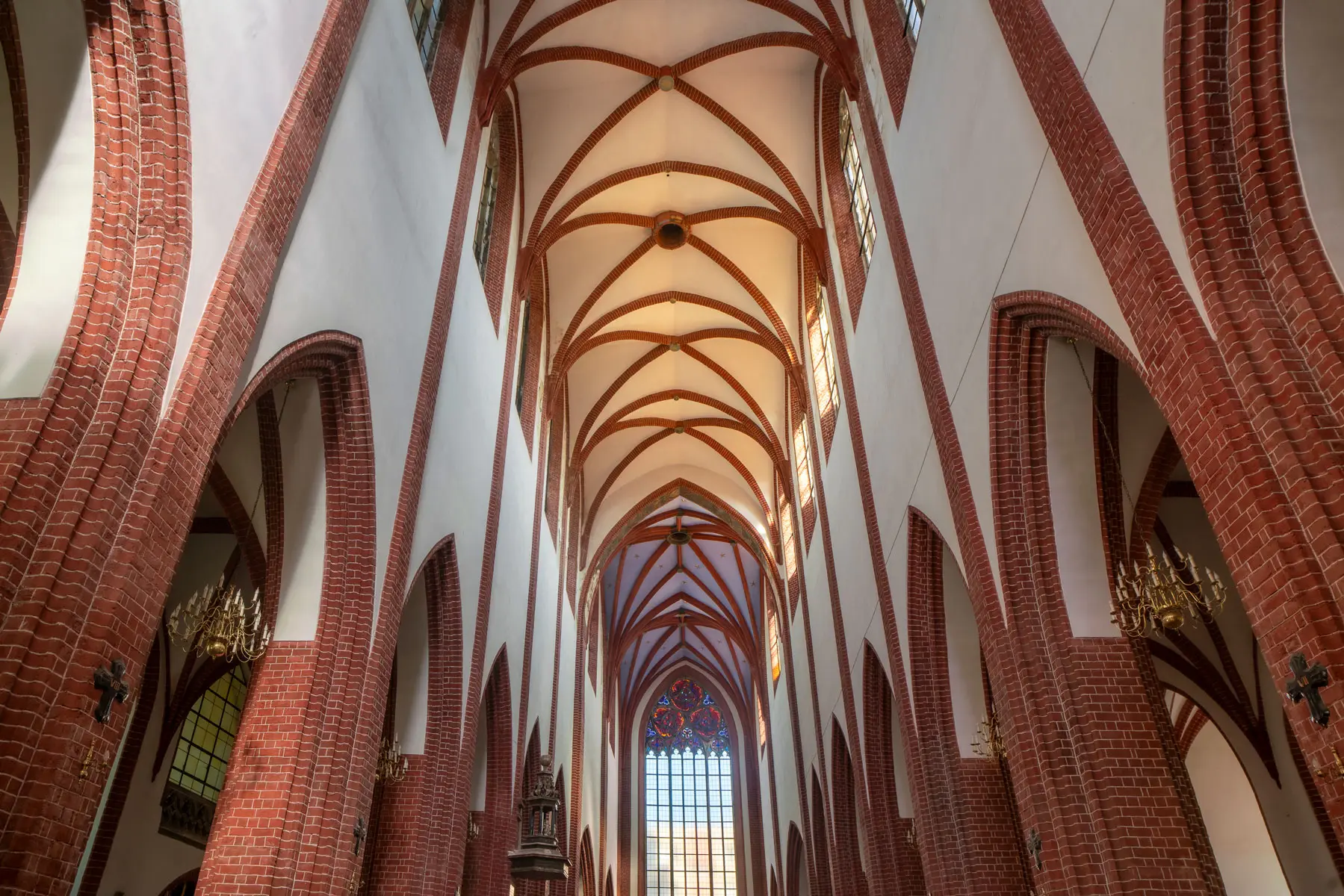
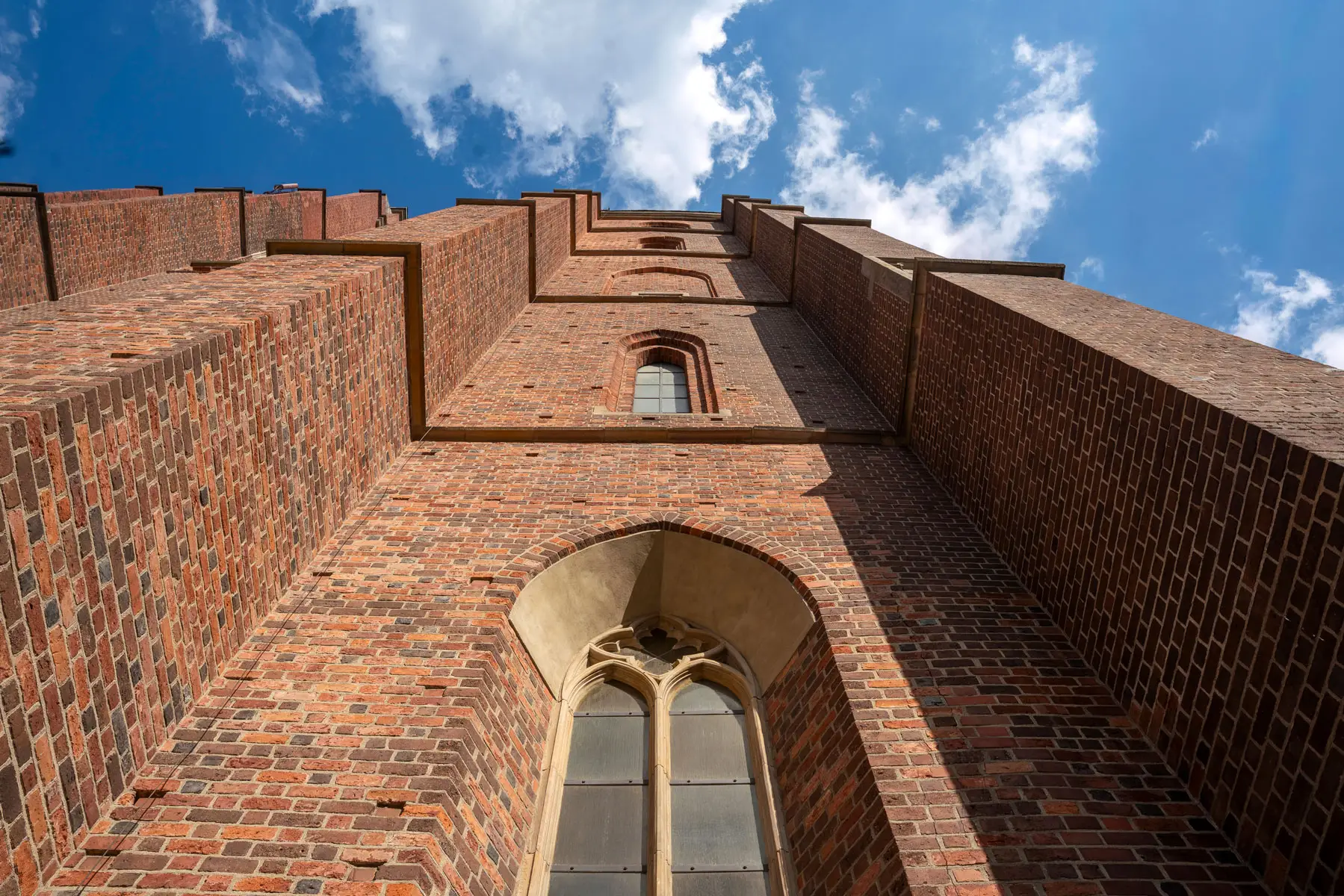
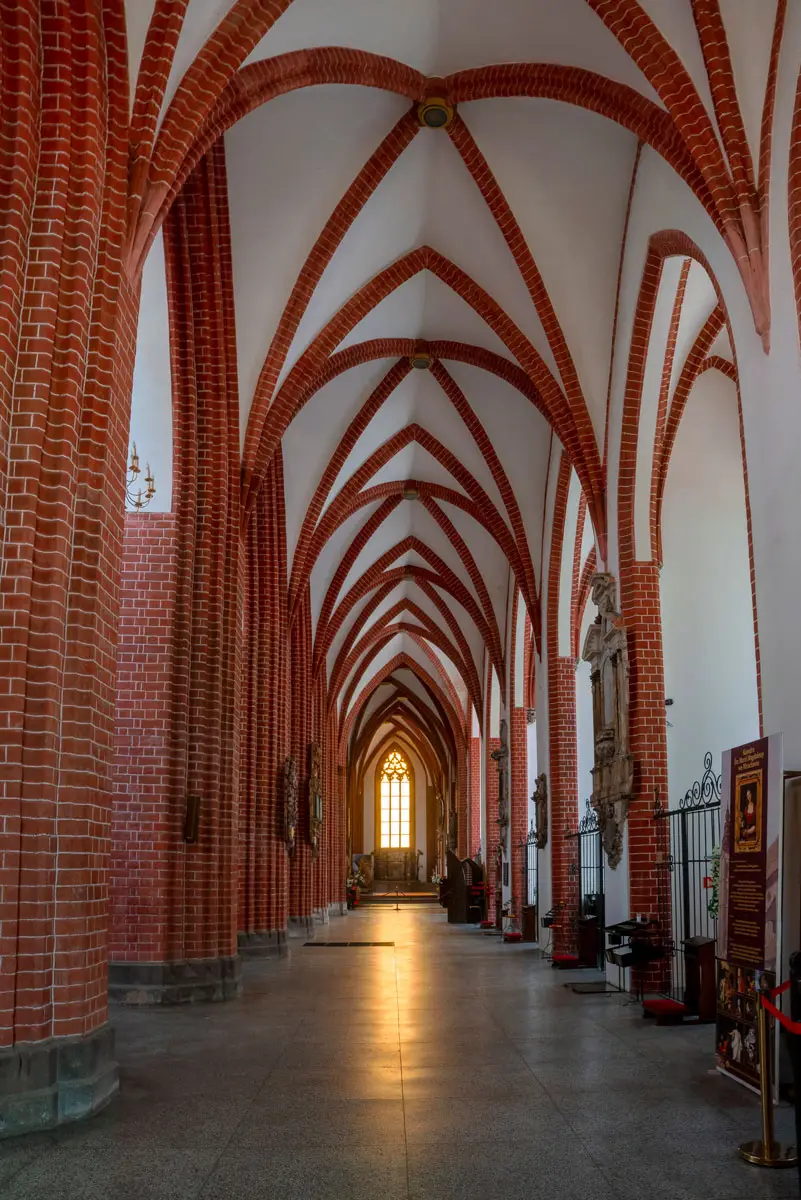
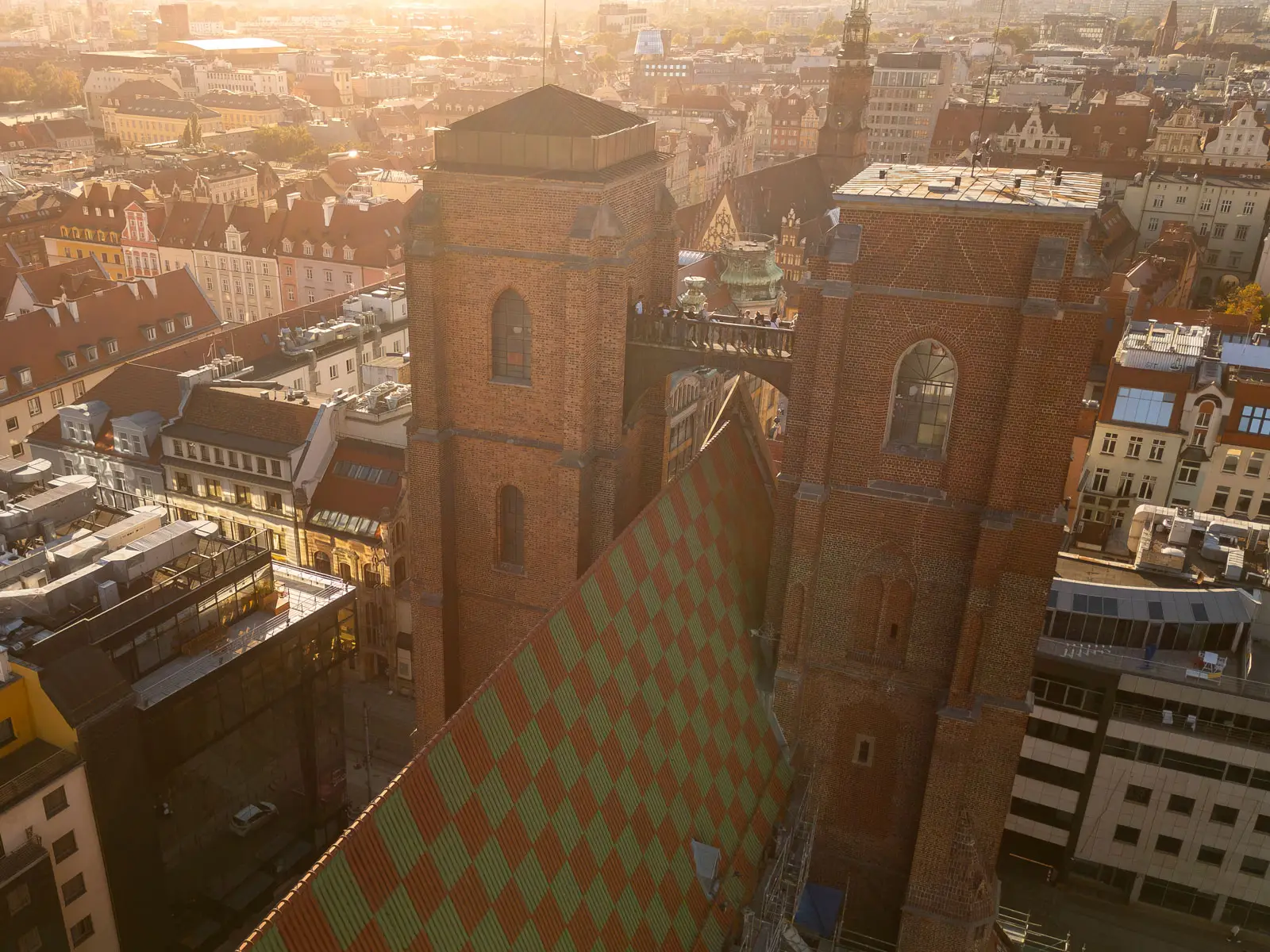
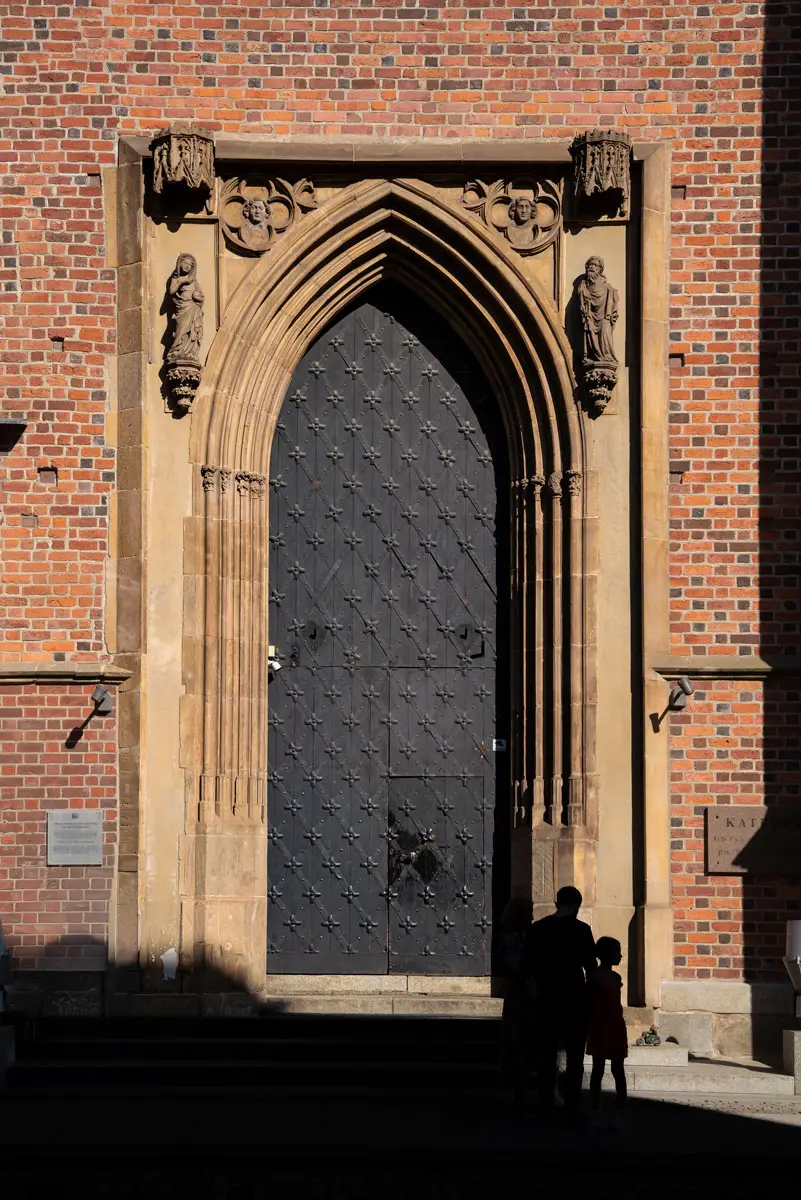
The church was designed as a monumental three-nave basilica with two imposing towers standing above the buildings of the Old Town. The distinctive ogival windows, buttresses and high vaults create a harmonious composition typical of the mature Silesian Gothic style. The most recognisable feature of the cathedral is the Penitents’ Bridge, also known as the Witches’ Bridge – which, since the late 15th century, has linked the two towers at a height of around 45 metres. This feature has no equivalent amongst Wrocław’s Gothic churches and is one of the city’s most distinctive landmarks. The interior of the church has retained the distinct layout of a medieval basilica, despite numerous alterations and the damage caused by successive fires and acts of war.
The history of the cathedral mirrors the history of Wrocław itself. Following the Reformation, the church became one of the main centres of Protestantism in Silesia, and after the Second World War, having been rebuilt following the war damage, it was handed over to the Polish Catholic Church. Having retained its Gothic structure and historic character, it remains a magnificent example of the religious architecture of medieval Wrocław and one of the Old Town’s landmarks.