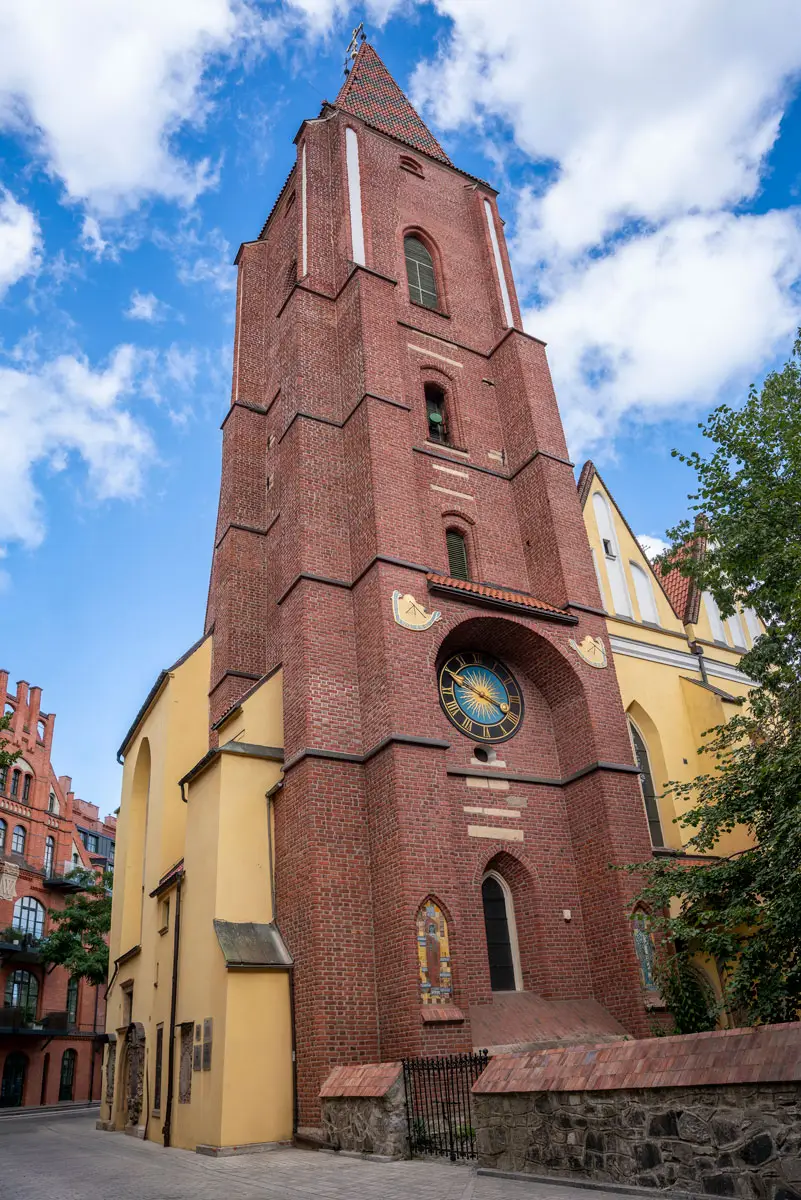
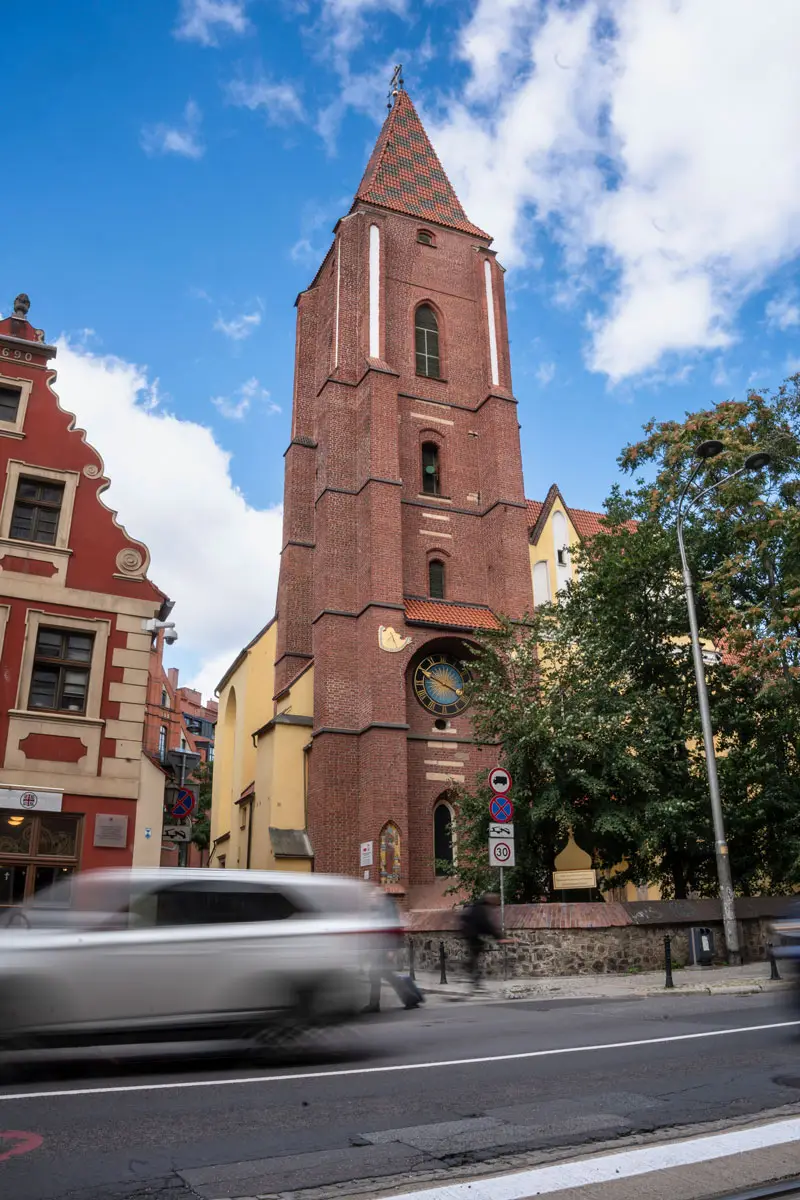
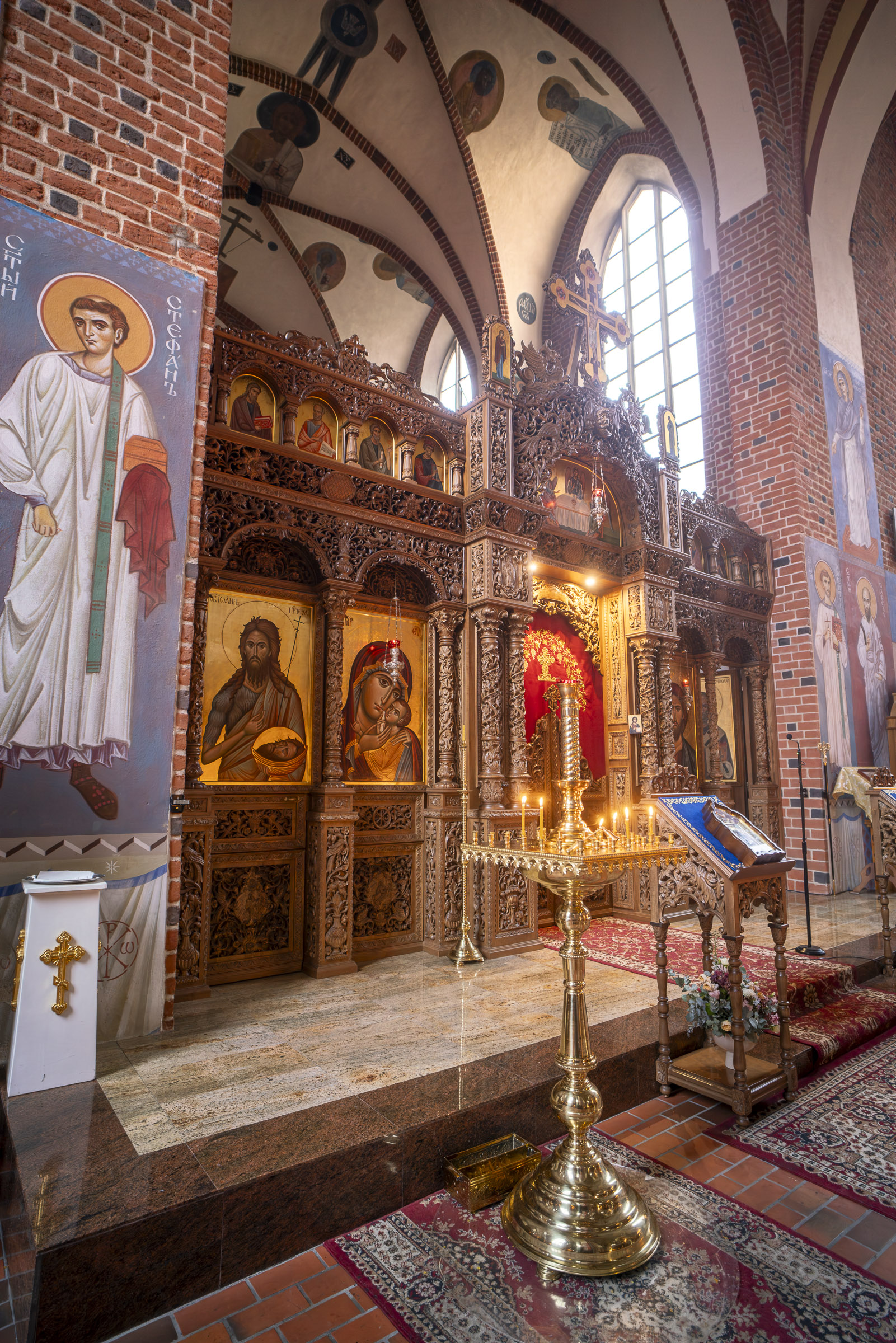
The former Church of St Barbara was founded in the 14th century as a parish church for the growing western part of medieval Wrocław. Its construction was a response to the rapid growth of the city and its increasing population. From 1525 until the Second World War, it was in Protestant hands, and later it became an Orthodox church. Over the following centuries, it remained an important feature of Wrocław’s religious landscape, sharing in the city’s turbulent history – from the Reformation, through wars and fires, to the destruction of the Second World War.
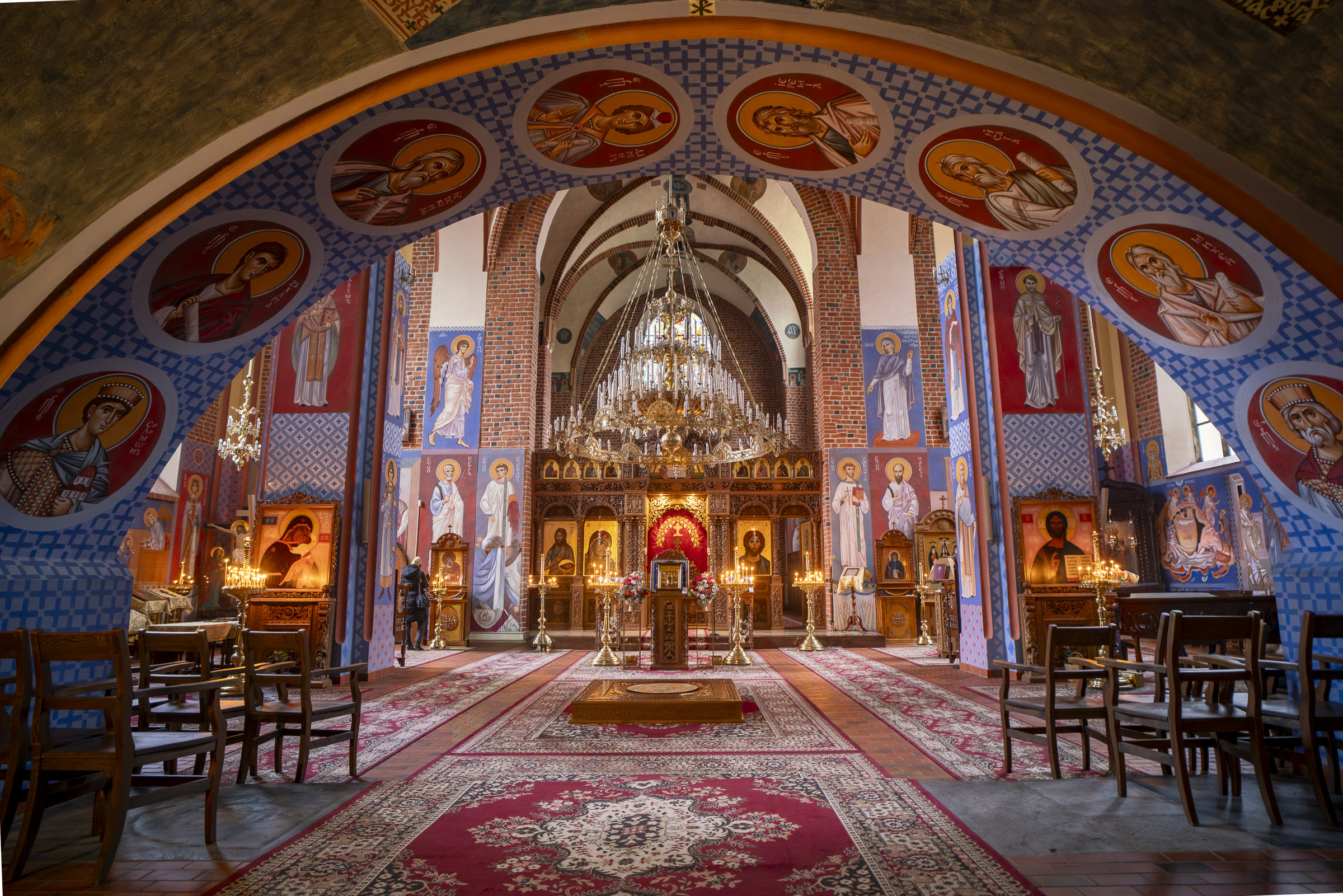
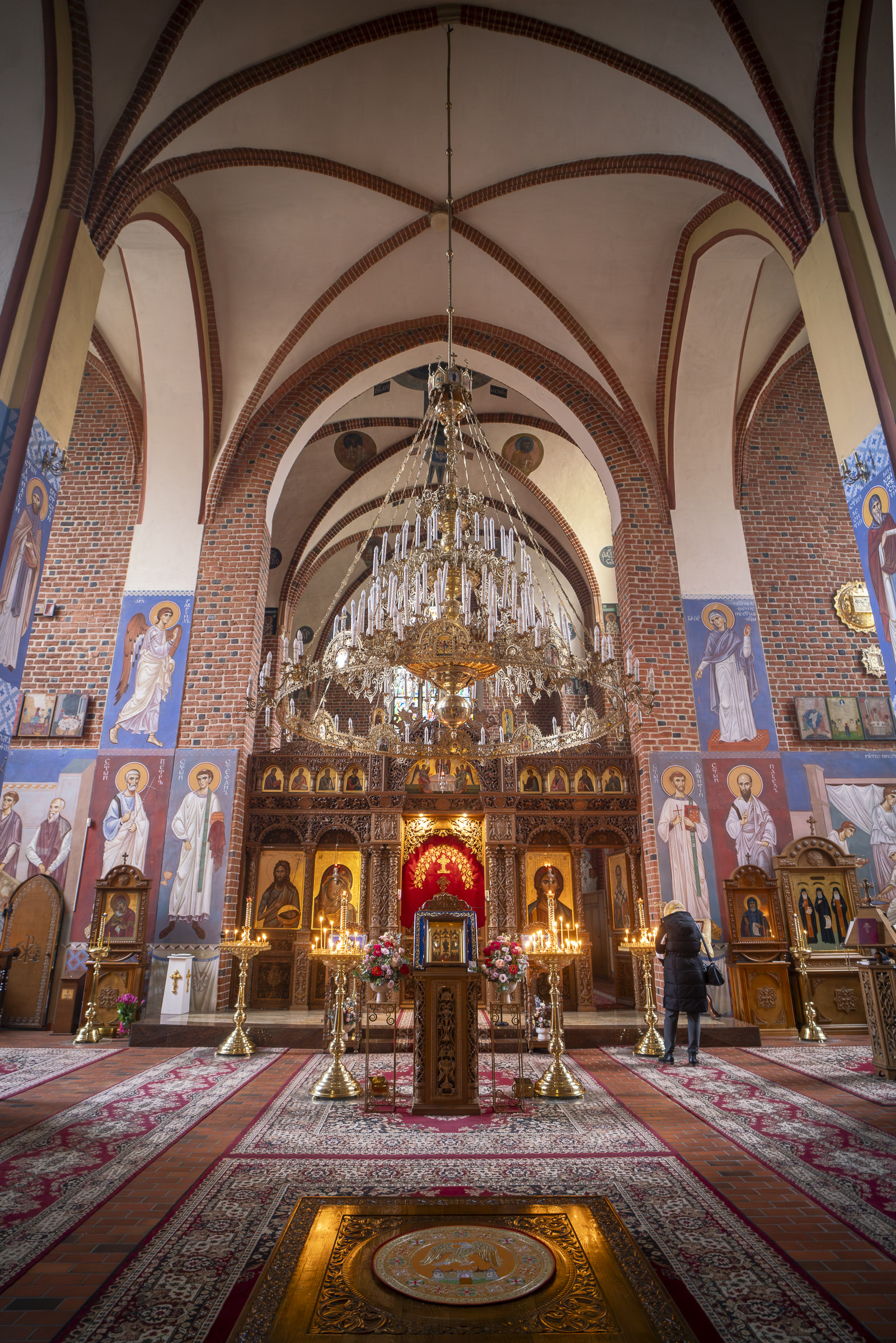
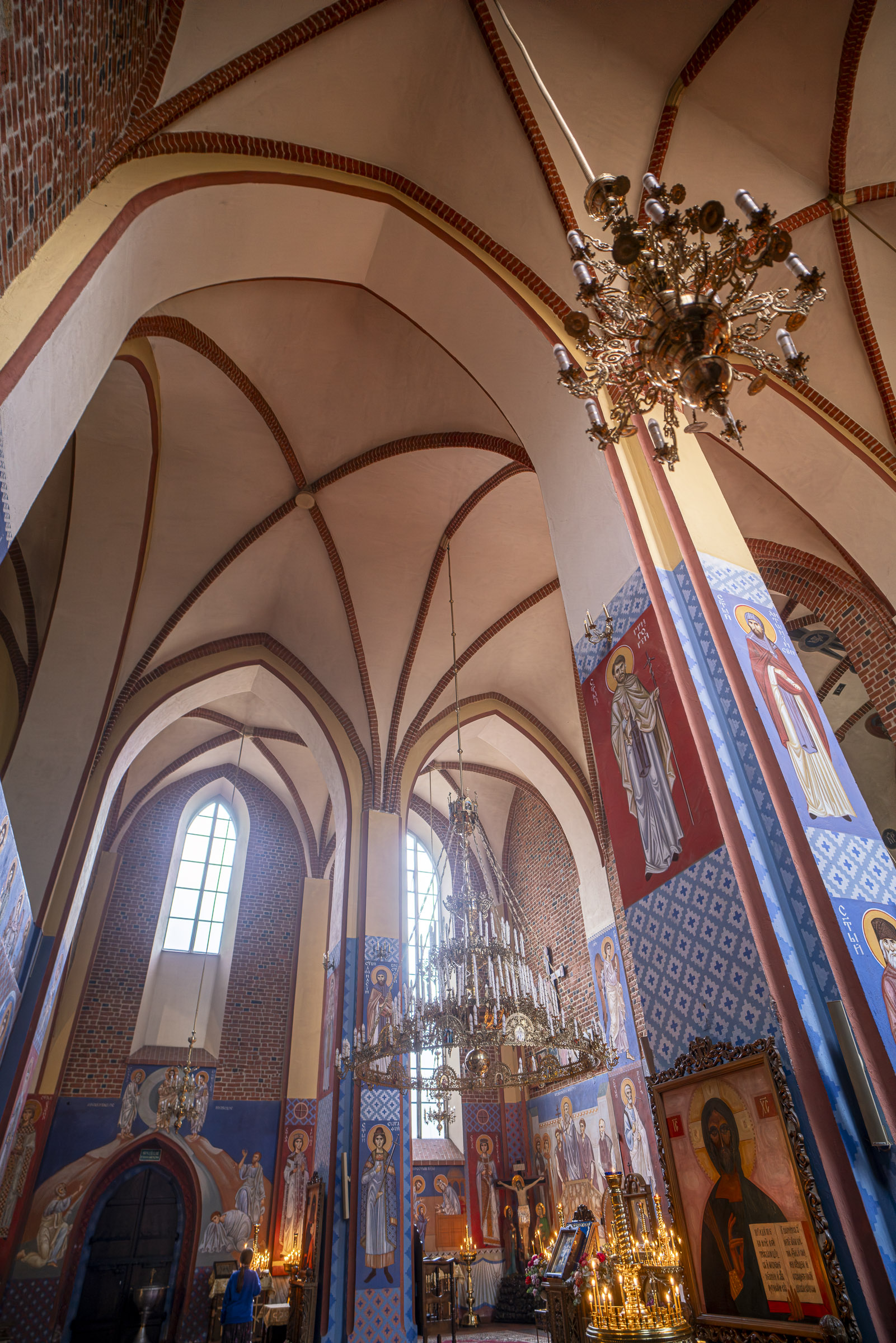
The architecture of the church retains the character of a late medieval city church. This brick structure, with its tall, elongated body, ogival windows and system of buttresses, clearly illustrates the architectural features characteristic of 14th-century Silesian Gothic. Despite numerous changes to the furnishings and alterations to the interior, the basic spatial layout has remained clear, and the preserved structural elements allow one to discern the building’s original character. After the end of the Second World War, the abandoned church was handed over to the Polish Autocephalous Orthodox Church and – following the necessary adaptation work – became the Cathedral of the Diocese of Wrocław and Szczecin.
Today, the church is a unique example of the harmonious fusion of Western European Gothic architecture with the tradition of the Eastern liturgy. The medieval walls provide a backdrop for the Orthodox interior décor, creating a space where key strands of Christian culture converge. By preserving the historic structure and giving it a new purpose, the church remains one of the most interesting examples of the adaptation of historic religious architecture in Wrocław.