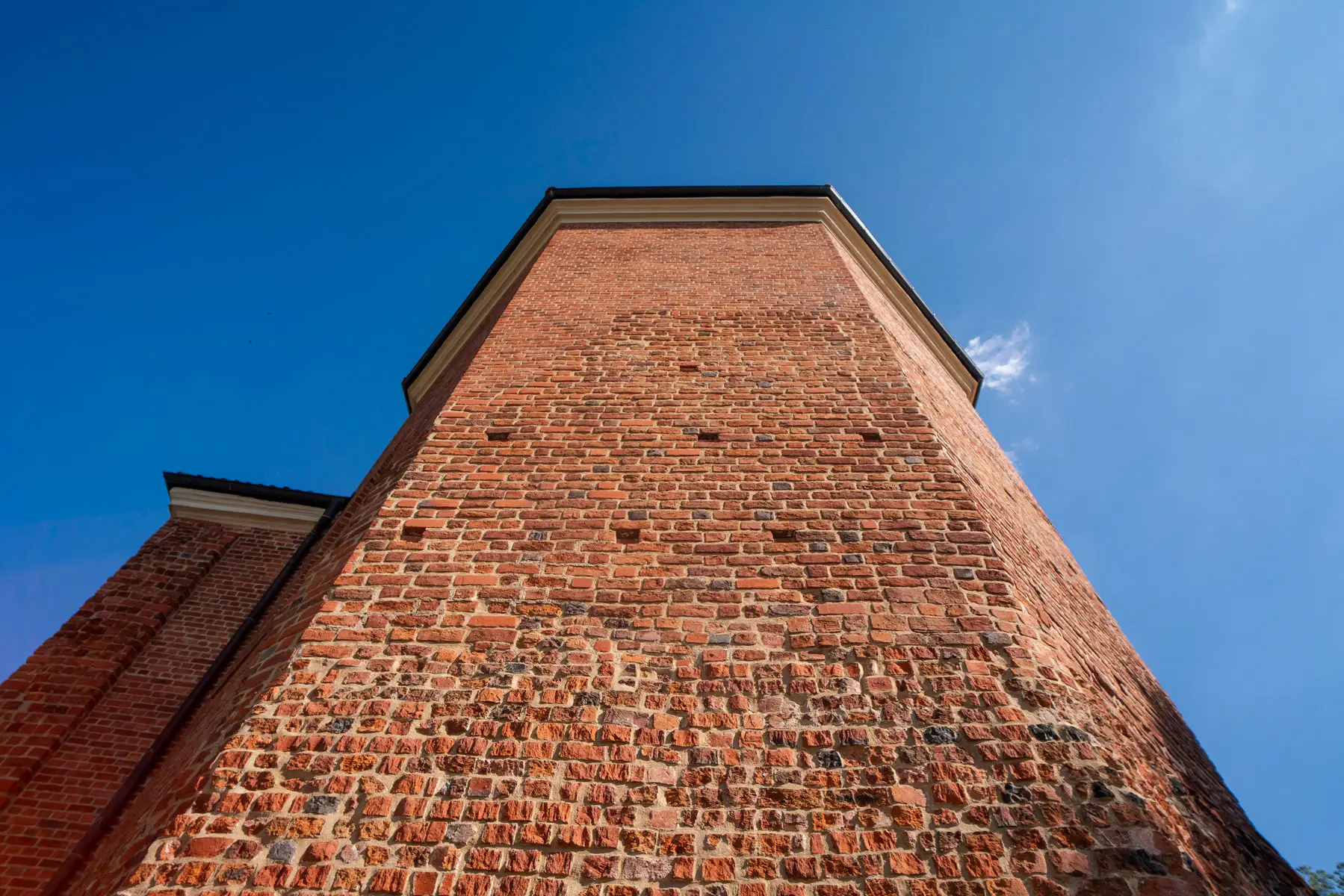
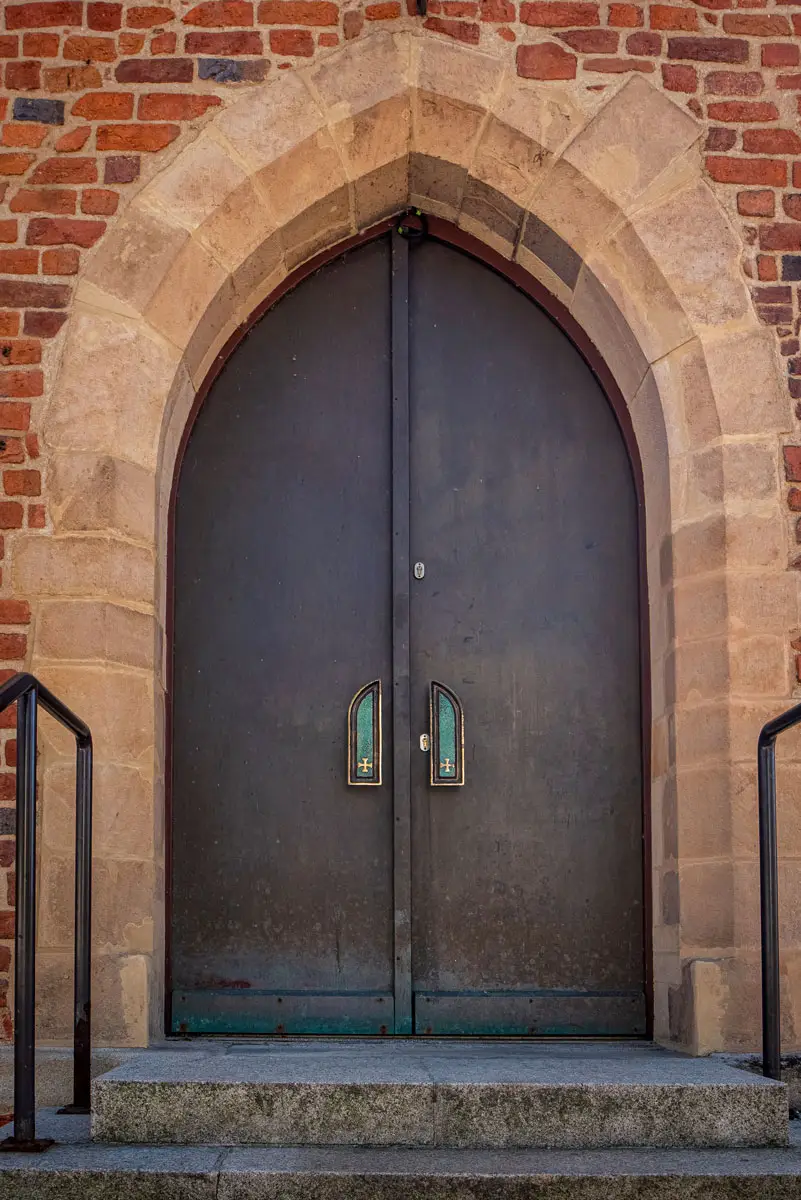
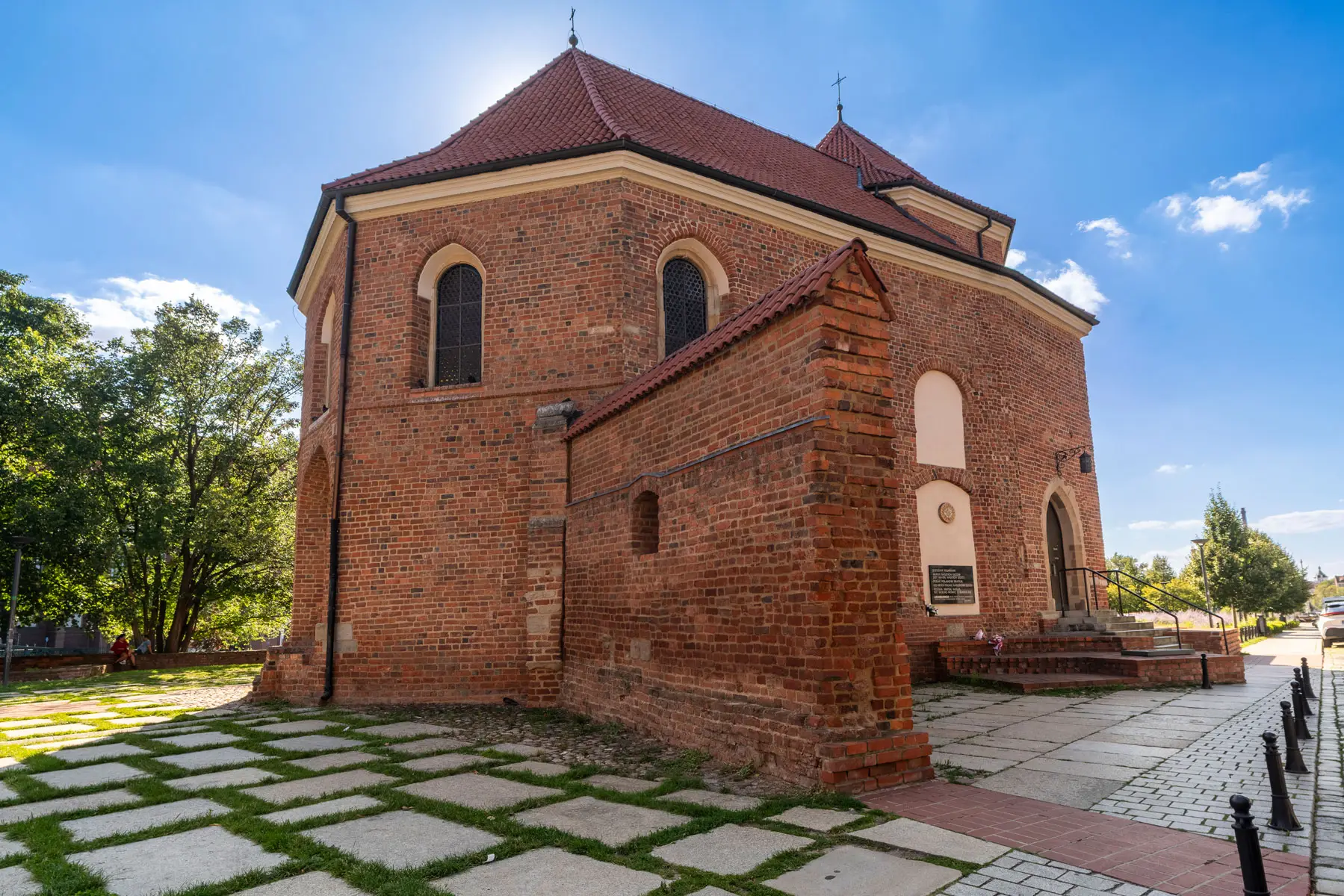
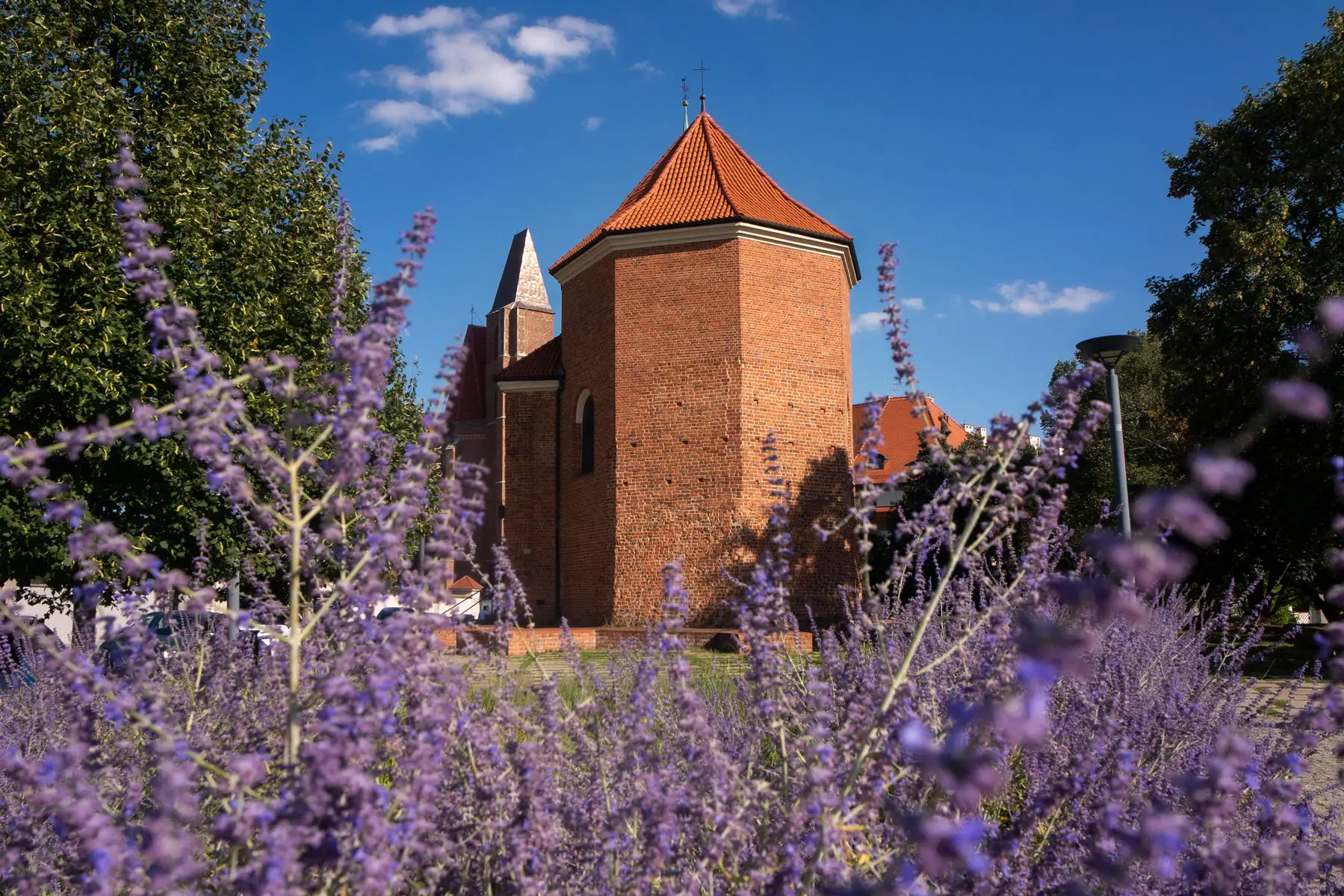
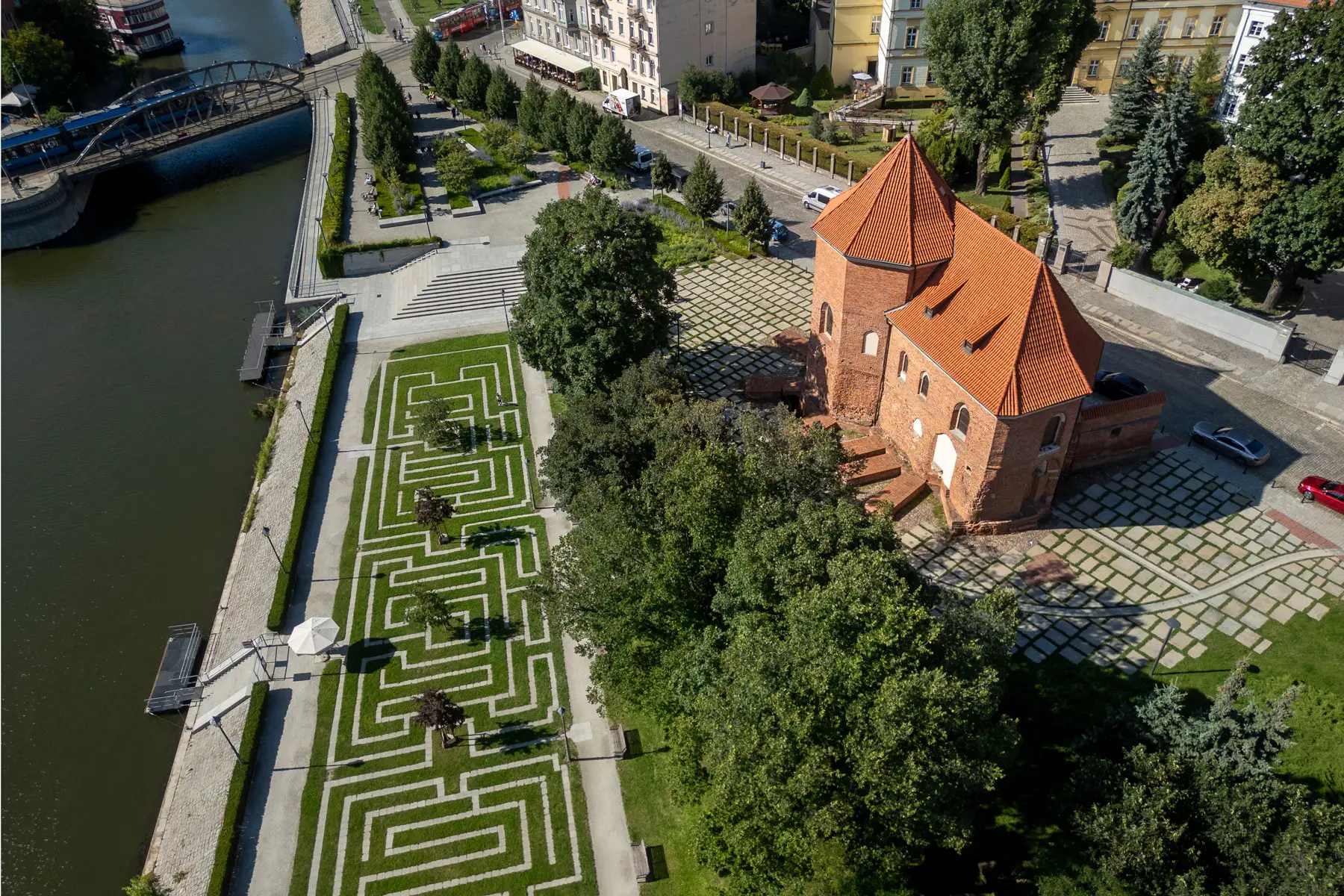
Amid the monumental churches of Ostrów Tumski, the Church of St Martin is one of the smallest, and at the same time most valuable, witnesses to the medieval history of Wrocław. It originates from the castle chapel of the dukes of the Wrocław branch of the Silesian Piasts and is the only surviving part of the former ducal castle, which served as the main residence of the dukes of Wrocław for centuries. It was here that the political and administrative life of the duchy was centred, before the role of the ducal seat was taken over the by ducal residences built later.
In its present form, the church was built in the 13th century on the site of an earlier castle chapel and has formed an integral part of the ducal residential complex from the very beginning. Its modest, single-nave structure with a rectangular chancel differs markedly from the monumental neighbouring churches of Ostrów Tumski, due to the building’s different function. It was neither a parish church nor a monastery church, but a chapel intended primarily for the ducal court. Gothic vaults, ogival openings and preserved sections of medieval walls serve as a reminder of the building’s original character and its connection to the Piast residence.
The church’s greatest value lies in its authenticity and historical context. Unlike many other historic buildings, it is not particularly impressive in terms of its size or the richness of its decoration; however, it provides invaluable insight into the layout of the old Ostrów Tumski. The church survived the demolition of the ducal castle, numerous alterations and war damage, and today offers a glimpse into the earliest history of Wrocław. It is one of the few places where physical remnants of the Wrocław Piasts’ residence and the medieval centre of their power have survived.